
Chapped, Cracked Lips: Care Tips for Changing Seasons
Chapped, Cracked Lips: Care Tips for Changing Seasons
Cold, dry winds strip moisture from the skin, and lips are no exception. The skin on the lips is thin, and there are no sweat or sebaceous glands, so lips react sensitively to changes in temperature and humidity. From seasonal transitions like now through winter, lips are prone to becoming chapped and cracked.
Today, let’s look at how to care for chapped, cracked lips.
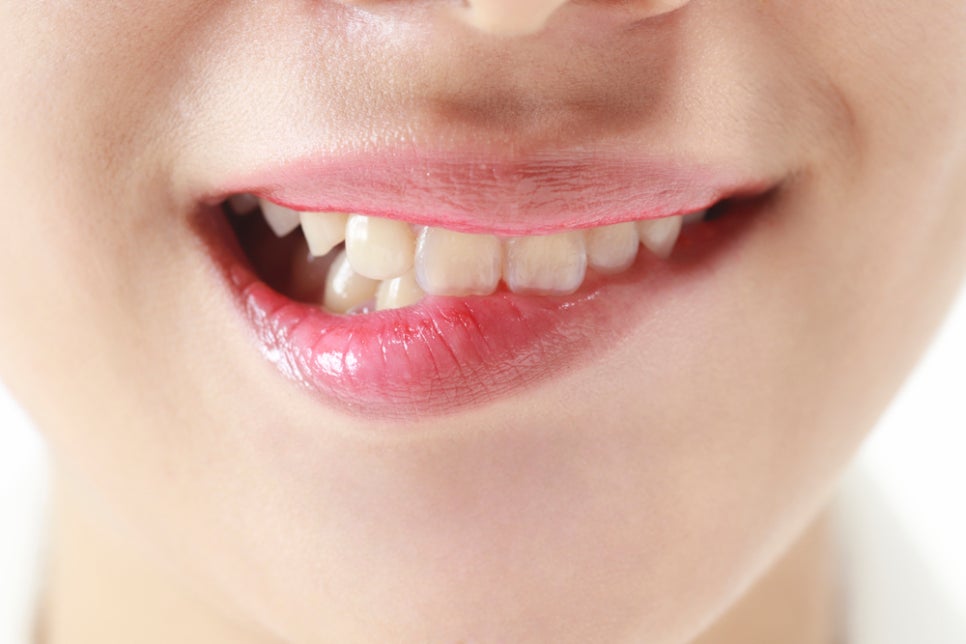
Exfoliating dead skin When lips become dry, flakes can easily develop. If the flakes on your lips bother you, you may be tempted to pick them off or lick your lips. However, these actions can actually be harmful to your lips. Picking off flakes can allow bacteria or viruses to enter and cause additional inflammation.
The right way to exfoliate your lips is to soak them thoroughly in warm water while showering or washing your face, then gently remove the flakes.
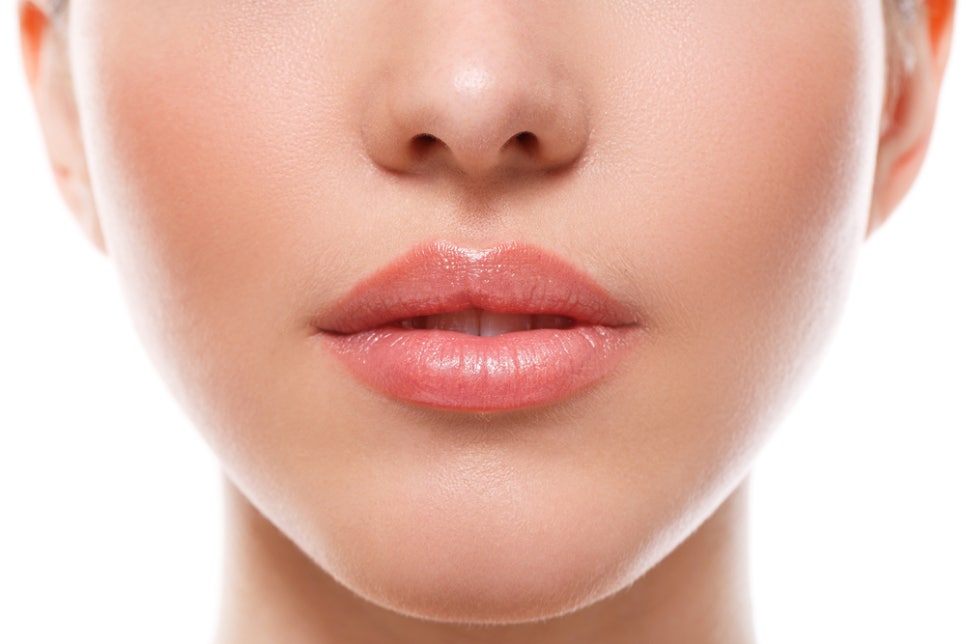
Check the ingredients in your lip products If your lips suddenly become very flaky and dry, check the ingredients in the lip products you regularly use. Menthol, which makes lips look fuller, can worsen flaking or cause an allergic reaction, so use caution.
Products containing ingredients such as shea butter, ceramides, and hyaluronic acid, which provide moisture and nourishment to the lips, are a good choice.
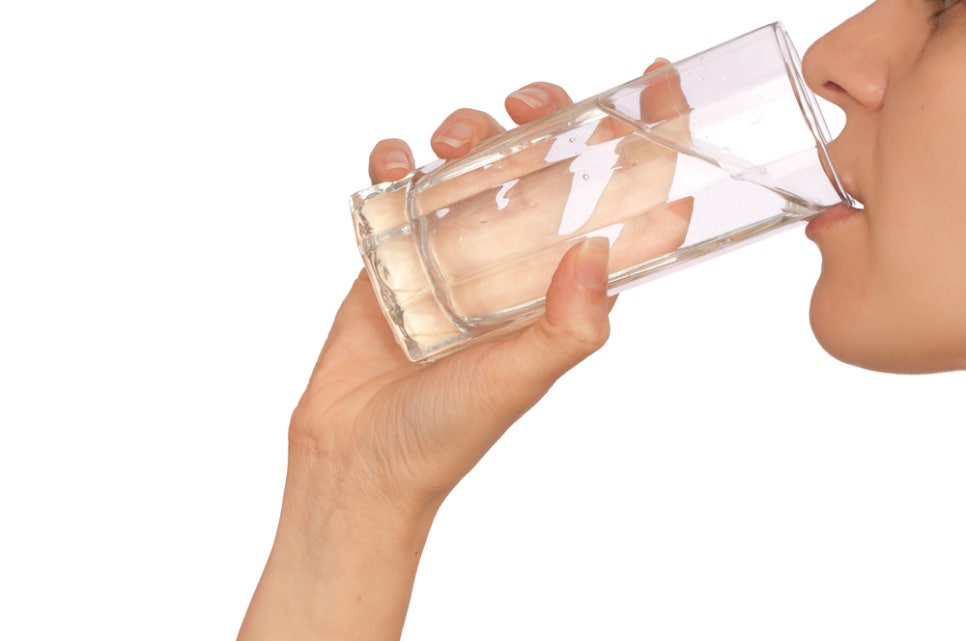
Drink enough water and get enough vitamins When your body lacks water and vitamins, your lips can chap and crack easily. Drinking enough water helps keep your lips moist and supports your overall health. When your body is short on water, its mineral balance can be disrupted, making your lips more prone to dryness, so make a habit of drinking water throughout the day.
If you do not get enough vitamins, your skin may not recover properly and inflammation can develop more easily. Take supplements such as vitamins B and C, or get vitamins from vegetables and fruit.
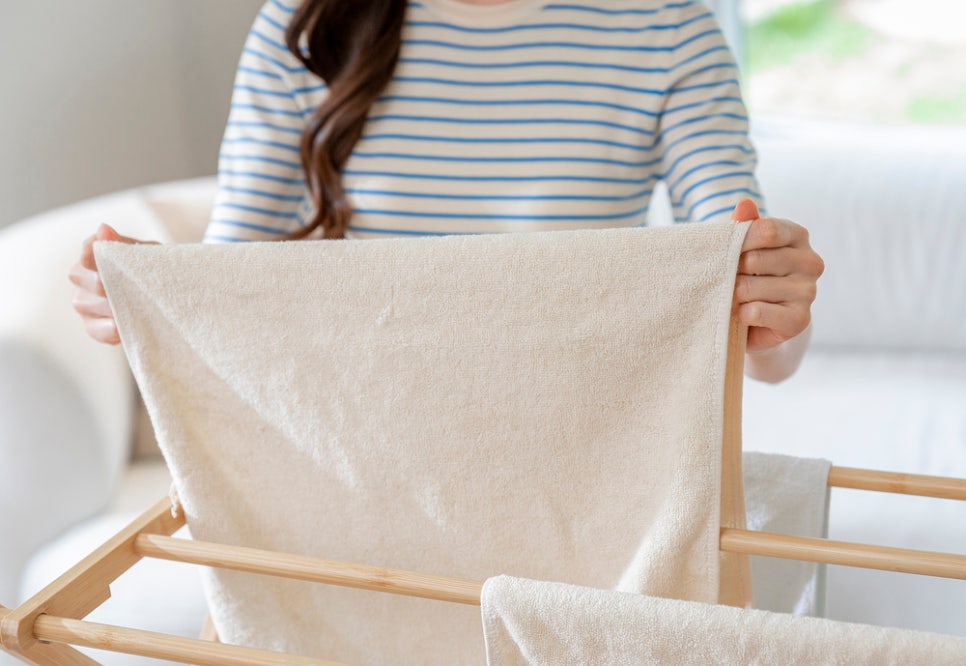
You should also manage humidity well to keep indoor air from getting dry. The ideal indoor humidity in winter is 30~50%. It is also important to maintain indoor humidity using a humidifier, wet towels, laundry, or similar methods.
Lips are thin and sensitive, so they need careful care. Please keep these tips in mind.