
Drinking and Exercise After Ulthera: When It's Safe and What to Watch Out For
Drinking and Exercise After Ulthera: When It's Safe and What to Watch Out For
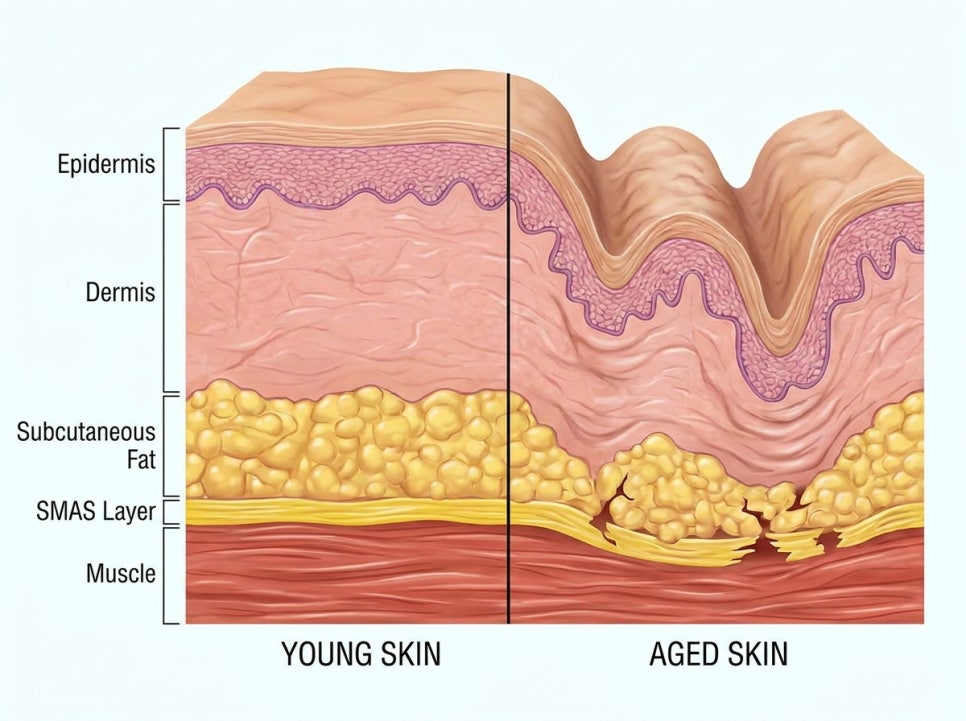
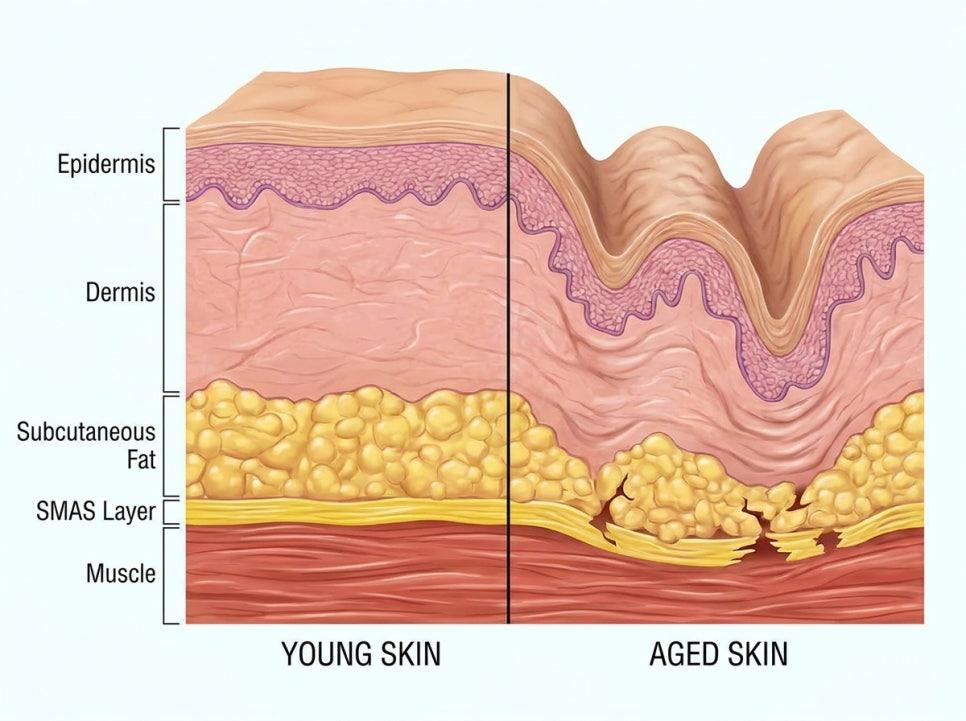
Hello. I am the director of Mioline Suwon. As aging progresses, collagen in the skin gradually decreases. This weakens the SMAS layer, which supports the skin, causing the facial contours to sag and wrinkles to deepen.
If this sagging is left untreated, loss of elasticity may accelerate further, so many people consider Skin Care approaches such as ultrasound lifting. Today, I will explain in detail one of the questions we hear most often in the consultation room: Precautions after Treatments.

Drinking after Ultherapy: when is it okay? One of the things patients are most curious about is when they can drink alcohol after Ultherapy. Alcohol dilates blood vessels in the body and raises body temperature. If you drink immediately after Treatments, blood flow may increase while heat remains inside the skin, which can cause swelling or redness to last longer.
In severe cases, this may trigger an inflammatory response and slow recovery, so for safe skin regeneration, we recommend avoiding alcohol for at least 1 to 2 weeks after Ultherapy.

When is it safe to exercise after Treatments? Exercise also requires caution for reasons similar to drinking after Ultherapy. Light walks or stretching should not interfere with daily life, but you should avoid strenuous exercise that makes you sweat heavily and causes your face to heat up.
Weight training with heavy equipment, hot yoga, and high-intensity cardio can rapidly raise your body temperature and interfere with the formation of thermal coagulation points inside the skin and the recovery process. Therefore, it is best to gradually resume intense exercise that makes you sweat profusely from about 1 week after Treatments.

How ultrasound lifting works and its effects The key principle behind ultrasound lifting, which is widely used as a treatment method, is the use of high-intensity focused ultrasound (HIFU) energy. It delivers thermal energy to targeted areas, including the dermis and the deeper SMAS layer, without damaging the skin's surface.
The energy delivered forms tiny thermal coagulation points and induces the body's natural wound-healing response. Through this process, new collagen and elastin regenerate, increasing skin density and creating a lifting effect on the facial contours.
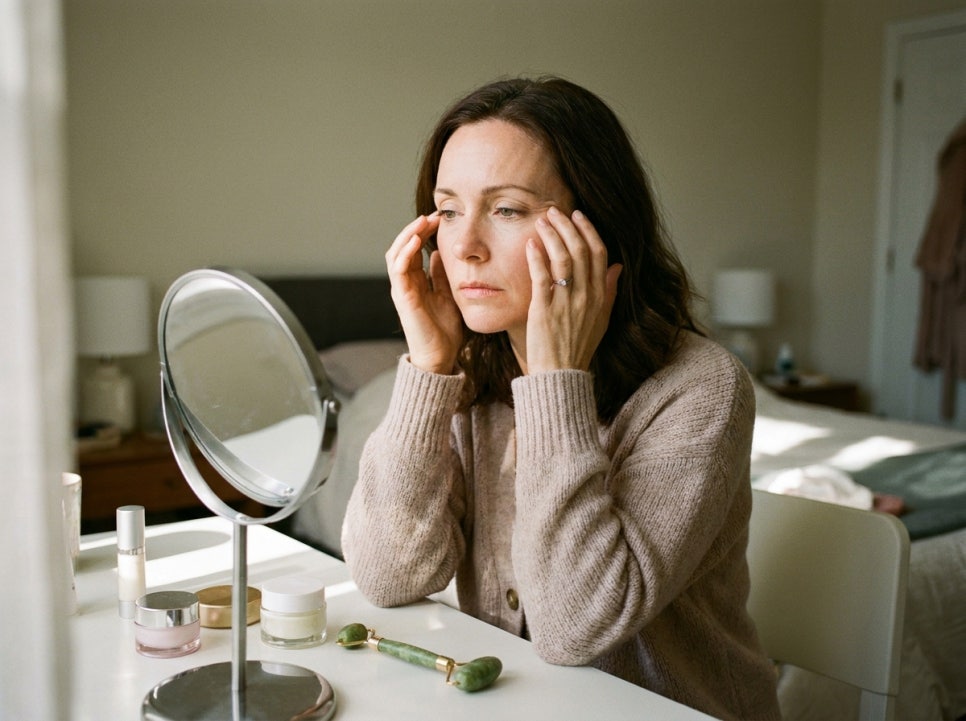
When effects appear and recommended treatment intervals Although immediate changes may appear right after Treatments, the fundamental effects require time for collagen to regenerate. Typically, you may notice a gradual improvement in elasticity 1 to 2 months after Treatments, with the most noticeable results appearing between 3 and 6 months.
Treatment intervals vary depending on each person's skin thickness and degree of sagging, but retreatment is generally recommended every 6 months to 1 year to maintain the collagen produced and prevent aging.

Who may be a good candidate and what to watch out for before and after Treatments This treatment is suitable for people concerned about a less-defined jawline or sagging cheeks, and those who want to improve overall facial loss of elasticity. However, aftercare is very important for satisfactory results.
In addition to avoiding alcohol and strenuous exercise, as emphasized above, you should avoid environments that expose the skin to high heat, such as saunas and jjimjilbangs, for 1 week. Also, protect the skin barrier by applying sunscreen thoroughly when going outdoors and applying plenty of moisturizing cream.
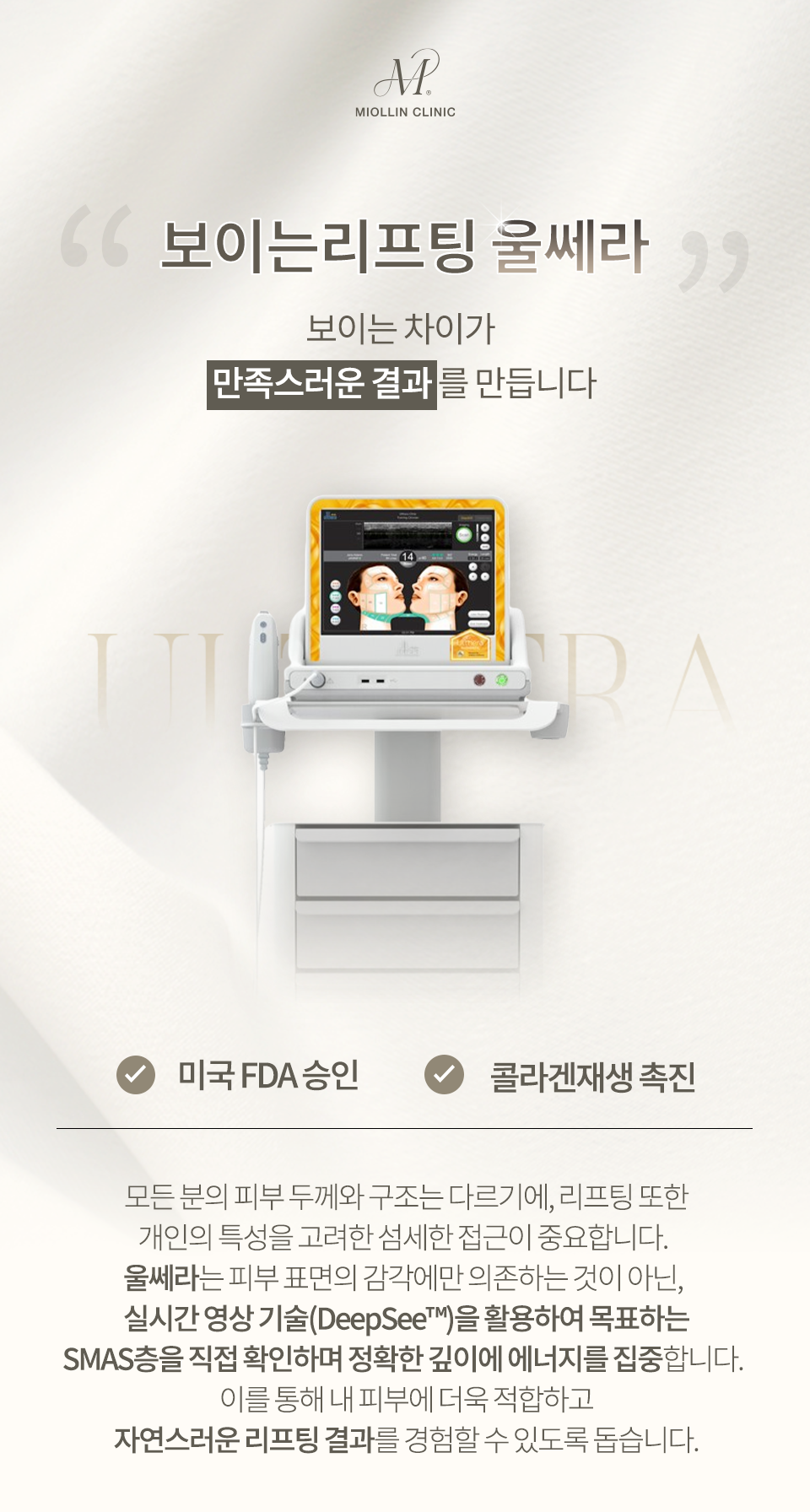
Achieving lifting results with proper aftercare No matter how good the equipment or how precise the Treatments, it is difficult to achieve the best results without careful Skin Care by the patient. Avoiding alcohol and following the precautions carefully can help collagen regeneration occur at its most active.
If you are increasingly concerned about loss of skin elasticity, rather than leaving it untreated, we recommend discussing your concerns thoroughly with a Medical Team with anatomical knowledge of the skin and developing a safe treatment plan suited to you.
