

juvgen for deep depressed acne scars
We often hear in the consultation room that scar marks that cannot be concealed even with heavy makeup are the first thing people notice whenever they look in the mirror.
Scars do not fill in on their own over time
Scars remain when collagen fibers form inadequately or adhere together during the healing process after damage extends into the dermis. The causes may differ, such as acne marks, surgical scars, or chickenpox scars, but the result is the same: deep indentations etched into the skin. Once established, atrophic scars are unlikely to return to their original state just with the passage of time.
It is also difficult to overlook how scars can go beyond being simple marks and leave people feeling self-conscious when facing others. This can make the desire to restore lost volume and regain a smooth skin texture even stronger, but the nature of the scar should be assessed before deciding on a method.
Even when scars look similar on the surface, their depth and degree of adhesion vary from person to person. Overlooking these differences can make it difficult to achieve the smoothness you expect.
Scars can have different shapes even when they look alike
Atrophic scars are generally divided into three types according to their shape. Different types call for different approaches.
| Scar type | Shape | Characteristics |
|---|---|---|
| Ice pick | Narrow and deeply indented | A sharply pointed mark resembling a pore |
| Boxcar | Broad and flat depression | An indentation with distinct edges |
| Rolling | Rounded, undulating contours | Wavelike contours caused by adhesions beneath the skin |
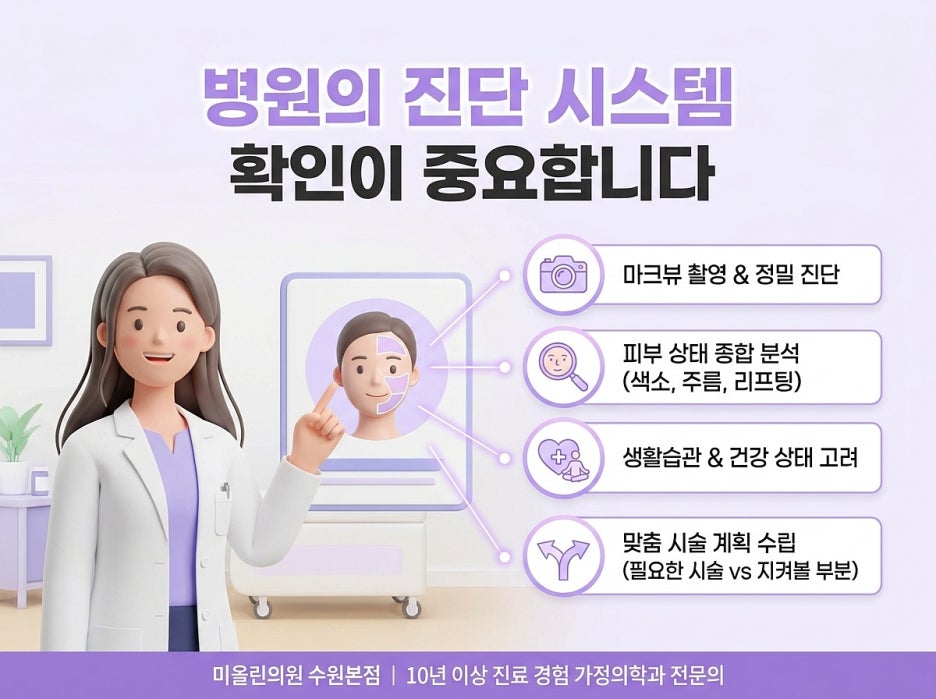
When examining scars in the consultation room, we first check how deeply the dermis has been damaged and how much adhesion has occurred, rather than focusing on the visible shape. This is because we can develop a plan tailored to each scar only after objectively assessing the condition of the affected area through precise diagnosis.
Limitations of filling approaches
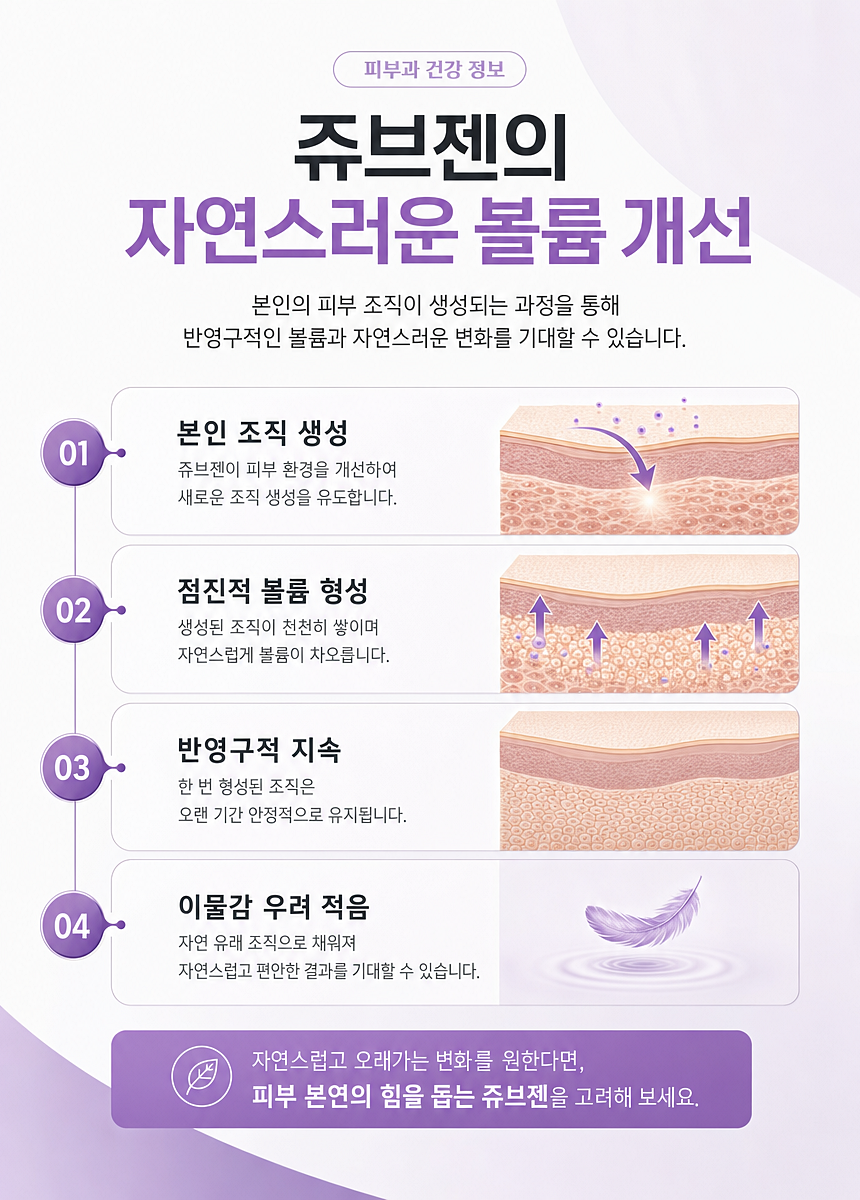
If a deeply indented area is filled only with an external substance, its volume may decrease again over time or the result may look unnatural. The possibility of a foreign-body sensation can also be a concern. For this reason, regenerative approaches that help the skin produce its own tissue are increasingly considered alongside filling approaches.

How JUVGEN works
JUVGEN is a regenerative treatment that precisely cross-injects medical-grade carbon dioxide gas and hyaluronic acid into the dermis. This physical and chemical stimulation awakens fibroblasts and encourages the production of new collagen tissue of your own. Because your own skin tissue fills the depressed area, the treatment can result in less foreign-body sensation and gradual, natural-looking volume.
It may also be considered for difficult areas such as deep acne scars or atrophic lesions. If scars are widespread or pores are also a concern, treatment may be combined with Potenza to address pores and scars together, which targets dermal regeneration, or CO2 Laser to renew the skin’s surface, which refines the surface. Some people who wish to improve skin texture and residual scars together may also receive Rejuran to support regeneration within the skin. The appropriate combination is determined after identifying the scar type.
How long does recovery take?
Recovery time is a major concern in a busy daily life. JUVGEN is performed using fine needles, so returning to daily activities is relatively straightforward, with washing your face and applying makeup generally possible from the next day. However, temporary redness, mild swelling, or a bumpy feeling may occur for about 1 to 2 weeks due to the injected gas and solution. These are natural signs that active regeneration is taking place within the skin.
At Miollin Suwon, care does not end with the treatment. We check the skin condition the following day and support complete regeneration with light therapy or dressings. It can be reassuring to check with us whenever you have questions during recovery.
Three things to check before treatment
Before deciding on scar treatment, we recommend reviewing the following:
- Has the depth and degree of adhesion of the scars been objectively assessed through precise diagnosis?
- Is the treatment plan tailored to the scar type, such as ice pick, boxcar, or rolling?
- Is follow-up care in place to monitor the regenerative process through to completion?
FAQ
Will one treatment make the scars disappear Scars respond differently depending on their depth and degree of adhesion. Rather than becoming smooth in one session, they often fill in gradually over multiple sessions, so it is more realistic to make a staged plan after diagnosis.
What reactions may occur during recovery Redness, mild swelling, or a bumpy feeling may remain for about 1 to 2 weeks. This is a natural process as regeneration takes place within the skin, and these reactions subside over time.
Can it also be used for acne scars It may be considered for deep acne scars or atrophic lesions. However, depending on the scar type, designing a treatment plan that also includes Laser or another approach can contribute to the results.
Can I go straight back to work after treatment The treatment uses fine needles, and washing your face and applying makeup are generally possible from the next day, so returning to daily activities is relatively straightforward. However, redness may remain, so we recommend keeping your schedule light on the first day.
Will it also improve pores in addition to scars Some people may expect the skin texture and pores to become more refined as collagen fills in. However, if pores are the main concern, it is better to design a plan that includes an approach tailored to them.
Scars: Start by identifying the type
Scars left on the skin are simply the result of the healing process, but to regain a smooth texture, it is important to first identify the shape and depth of the indentation. Rather than applying a one-size-fits-all method based only on appearance, we recommend identifying your scar type before deciding on an approach. Before making a decision, we recommend consulting thoroughly with an experienced medical team and developing a plan to improve the skin environment itself.
Reviewed by: Dr. Kwon Yu-ri · Board-certified family medicine specialist, Academic Director of the Korean Melasma Society First published 2026-06-12 · Last reviewed 2026-07-03
This post is a medical advertisement under Article 56 of the Medical Service Act. Treatment effects and prognosis may vary from person to person.