
Solar Lentigo Melasma Difference Repot
The dark marks that gradually appear on the face are caused by a range of factors, not simply aging.
When All Dark Pigmentation Is Mistaken for Melasma
When the skin is exposed to stimuli such as ultraviolet rays, it produces melanin to protect itself. When this process is repeated excessively or the skin cannot clear the pigment effectively, what are commonly called dark spots can develop. Many people think of skin pigmentation as nothing more than discoloration that needs to be removed, but the right approach varies greatly depending on the type of lesion. Even brown spots that look alike can differ in the depth of the pigment and the factors behind it. Today, we’ll look at the causes and differences between melasma and lentigines, as well as ways to improve them.
What Kind of Pigmentation Is Melasma?
Melasma is common mainly in women over 20, but it is classified as a difficult-to-treat form of pigmentation because it varies in appearance and depth. It often appears symmetrically on the cheekbones, cheeks, or forehead. Its indistinct borders make it look as though it is spreading broadly like clouds.
Pigment is often present not only in the epidermis but also in the deeper dermis, so consistent, long-term Skin Care is needed rather than expecting dramatic results from a single treatment. Melasma is strongly affected by female hormones, so it may become darker during pregnancy, after childbirth, or while taking birth control pills. It is also sensitive to ultraviolet rays, and may appear darker in summer and lighter in winter.
How Are Lentigines Different from Melasma?
Lentigines are mainly caused by ultraviolet exposure and may be considered an early stage of seborrheic keratosis, commonly called age spots. Unlike melasma, they have clear, distinct borders and are often round, like a coin or a grain of rice stuck to the skin.
Their color ranges from light brown to dark brown, and they tend to appear in areas that receive a lot of ultraviolet exposure. As the boundary between the epidermis and dermis breaks down, pigment extends downward, so they do not tend to fade easily with ordinary toning alone. They often reappear quickly or fail to fade even after multiple treatments, so identifying the type correctly is the first step.
When Melasma and Lentigines Are Mixed
It is easy to assume that any dark pigmentation is melasma, but a detailed diagnosis often finds lentigines mixed in or identifies the pigmentation as lentigines.
If lentigines with deep roots and clear borders are treated only with conventional methods and the energy is raised excessively, there is a risk of side effects such as post-inflammatory hyperpigmentation.
That is why diagnosis to first assess the type and depth of the pigmentation is essential to planning safely, even for complex skin concerns involving a combination of melasma and lentigines. An approach that targets only the pigment while reducing vascular damage is also helpful for these complex concerns.
How Does Re-POT Laser Work?
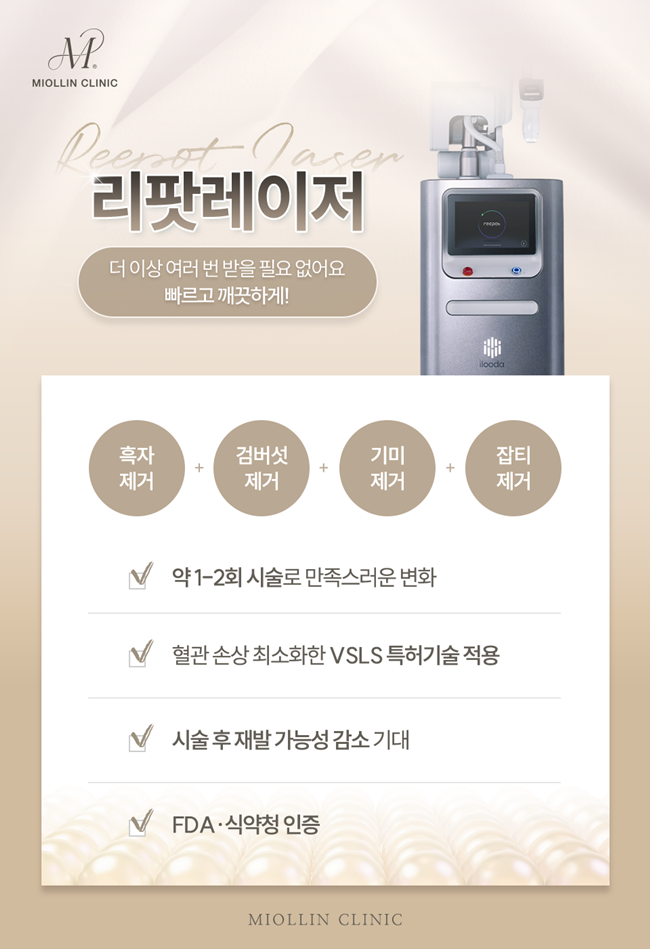
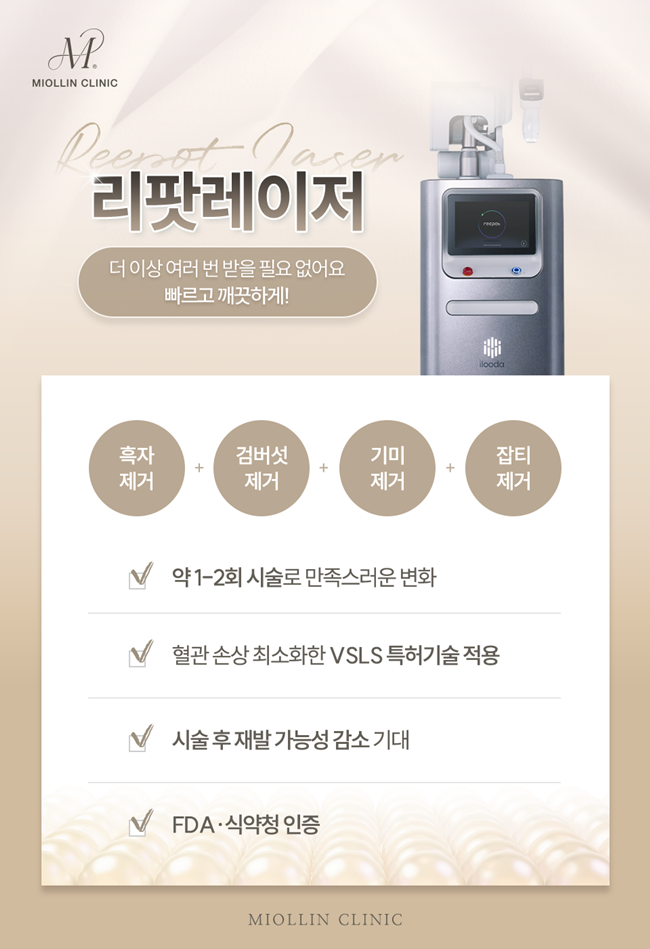
For lentigines with clear borders or age spots, Re-POT with added cooling technology is a treatment that may offer favorable outcomes. Re-POT Laser uses VSLS technology and is designed to focus on pigmented lesions while reducing vascular damage during treatment.
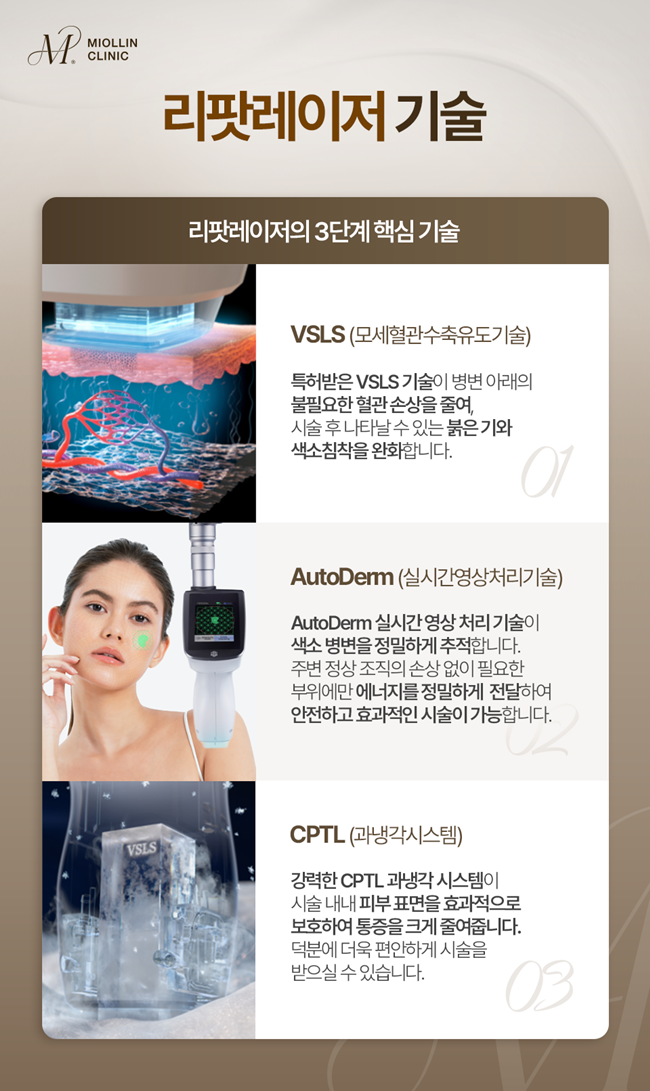
The key is its powerful cooling system. It rapidly cools the skin before and after the laser is delivered to protect the epidermis and reduce pain. It also delivers energy while the blood vessels are constricted, lowering the risk of unnecessary inflammation or pigmentation. This makes it possible to treat lesions in fewer sessions than the multiple sessions required with conventional methods, while reducing damage to surrounding healthy tissue and targeting only the lesions. For faint, diffuse pigmentation, PicoSure Laser, which targets pigment by selecting a wavelength, or RevLite, which treats pigment using a toning approach, may be more suitable.
Ask about my pigmentation type in chat now [blocked]
Skin Care for 2 Weeks After Treatment Is Important
After Re-POT Laser treatment, it is especially important to keep the regenerative patch we apply in place for about 2 weeks. As redness or scabbing develops, the patch protects the skin from external irritation and creates a moist environment to help it heal without scarring.
- Do not force the patch off before it comes off on its own
- Wash your face or take a light shower carefully with the patch on
- Avoid strenuous exercise that causes heavy sweating and hot saunas
- Avoid alcohol and smoking for the time being, as they can cause inflammation

Small details can affect the results, so it is best to take extra care during recovery. Even after removing the patch 2 weeks later, continue to apply sunscreen thoroughly to prevent the pigment from settling again.
Considering Pigmentation from a Health Perspective
Pigmentation treatment requires an approach that goes beyond removing visible symptoms and considers personalized health management. When discussing recurring pigmentation in the consultation room, we often find that the clues lie not in the visible color but in lifestyle habits and the body’s overall balance. At our clinic, our Medical Team, with over 10 years of experience, examines lesions while also considering the balance of the whole body, including hormones, the digestive system, and the autonomic nervous system.
If pigmentation keeps recurring, it may be a sign that the body’s balance is disrupted. We take a broad look at everything from lifestyle habits to overall health, focusing on helping the skin regain its natural health. Understanding what the pigmentation on your face is and finding an approach suited to it can help bring clarity to a concern you have had for a long time. Please feel free to contact us.
Ask about the condition of my pigmentation [blocked]
Reviewed by: Dr. Kwon Yu-ri, Chief Director · Board-certified in Family Medicine, Academic Director of the Korean Melasma Society
First published 2025-11-25 · Last reviewed 2026-07-03
This article provides general medical information. Treatment results and responses may vary depending on each person’s skin condition, so please consult the Medical Team for an accurate diagnosis.