
summer lifting device guide
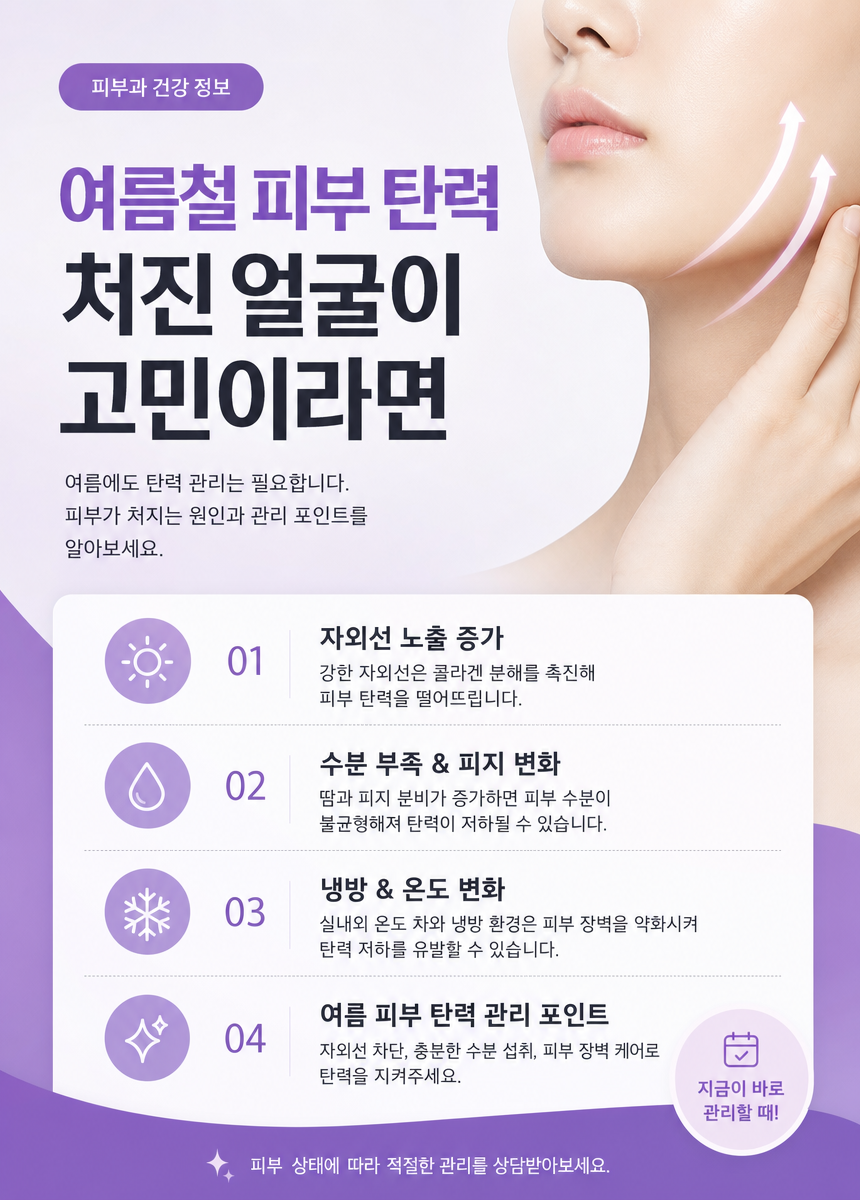
Many people start looking into lifting treatments when their facial contours no longer look the way they used to in the mirror, and their skin seems to lose firmness even faster with each particularly hot season.
Why sagging becomes more noticeable in summer
When temperatures rise and UV rays grow stronger, collagen in the skin decreases more easily than usual. UV rays cause photoaging, breaking down collagen and elastin fibers in the dermis, while increased skin temperature accelerates heat aging. In summer, when the temperature difference between indoors and outdoors is large, the skin barrier can also be easily disrupted, making sagging look more noticeable.
Cosmetics and at-home Skin Care can improve surface hydration and texture to some extent, but it is difficult to restore the structure of the dermis and fascial layers once they have begun to sag. That is why many people consider medical lifting as an alternative. But when they start looking into it, they may feel overwhelmed by the many devices with similar-sounding names, such as Onda, InMode, and Ultherapy, and wonder where to begin.
What does lifting do beneath the skin?
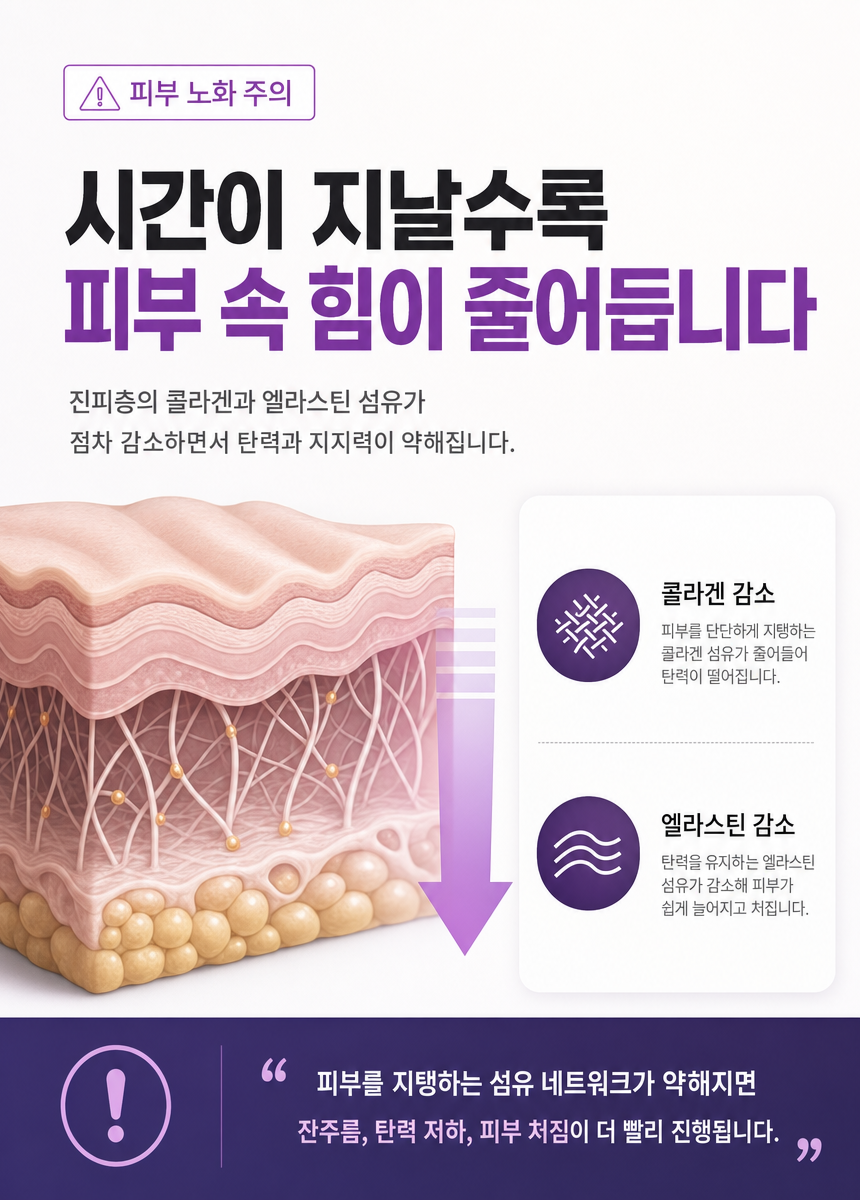
Over time, the collagen and elastin in the dermis that support the skin decrease, and gravity takes over, causing the facial contours to descend. Wrinkles may deepen and the contours may become less defined as well. Lifting works by delivering thermal energy or physical stimulation to these deeper skin layers, contracting loose tissue and encouraging the production of new collagen. Rather than pulling the surface taut, it works more by signaling the dermis and fascial layers to tighten on their own.
Since results vary according to the depth and type of energy delivered, the device used and how it is used matter, even with the same type of lifting treatment.
How are Onda, InMode, and Ultherapy different?
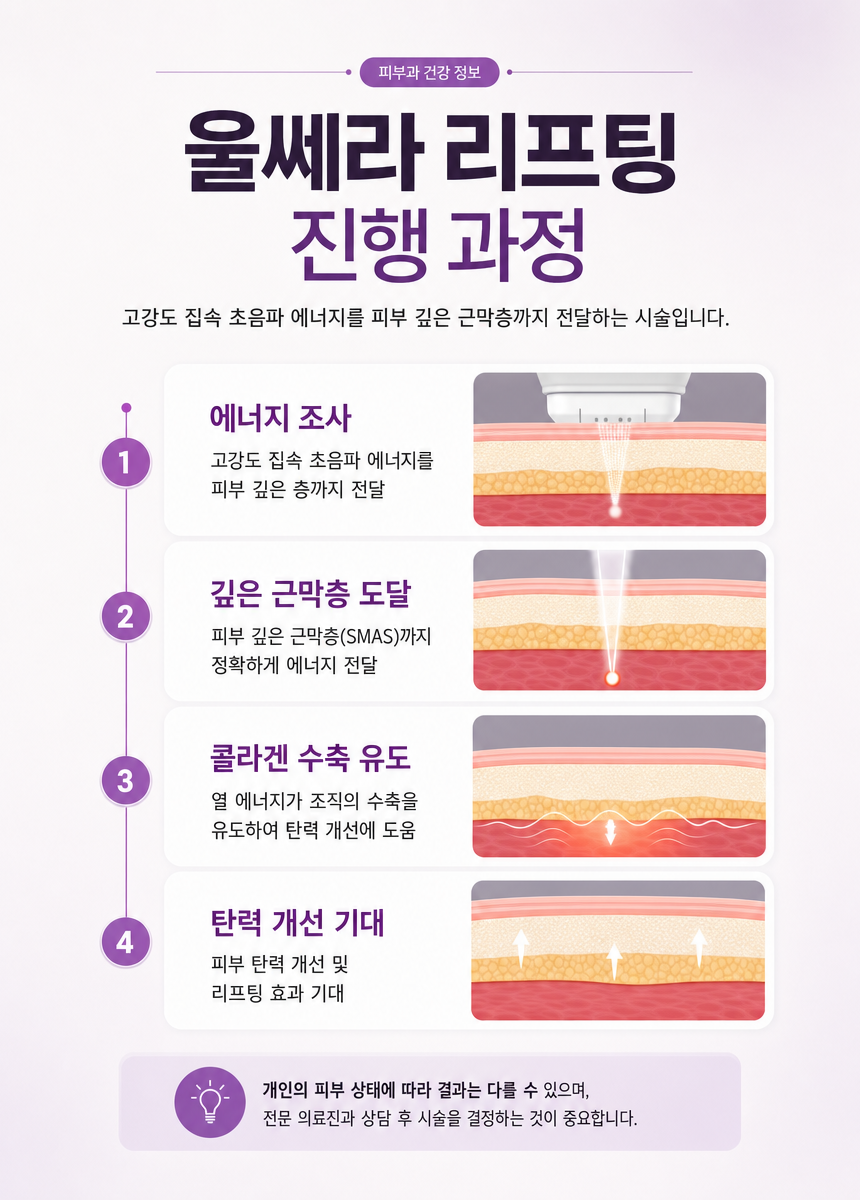
The three devices use different types of energy and target different layers of the skin. Onda, which addresses the dermis and fat layers while minimizing damage to the skin’s surface, delivers heat using microwave energy to reduce unwanted fat and promote collagen remodeling. Because it keeps the surface cool while delivering heat to deeper layers, treatment time is relatively short and it is generally easy to return to daily activities. InMode, which targets both facial contours and firmness with radiofrequency, combines radiofrequency and high-voltage electrical stimulation to target both fat-cell reduction and improved firmness in the dermis. Ultherapy, which creates thermal coagulation points down to the fascial layer, delivers high-intensity focused ultrasound to the deep fascial layer, lifting the skin from deep within, much like focusing sunlight with a magnifying glass. However, because it stimulates deeper layers, you may feel heat during treatment, so soothing care is also needed.
Which approach is right for my skin?
The right device depends on skin thickness, the amount of fat, and the degree of sagging.
- If your face has a lot of fullness and you are concerned about Double Chin or deep cheek fat, an approach that addresses fat reduction and improved firmness together may be suitable.
- If your skin is thin and you have little facial fat, an approach that increases density in the dermis while reducing the risk of fat loss may be needed.
- If you have significant overall sagging and deep Wrinkle, you may want to consider an approach that reaches the fascial layer.
When consulting with patients, we repeatedly find that even people of the same age have different skin thicknesses and fat distributions, making it difficult to recommend one device uniformly.
Rather than insisting on just one treatment, carefully analyzing your skin condition and then combining two or more devices as needed may lead to more natural-looking results.
How to care for your skin after summer lifting
Even changes achieved with effort may not last if aftercare is neglected. In summer, it is especially helpful to pay attention to the following:
- Apply sunscreen thoroughly when going outdoors to prevent photoaging.
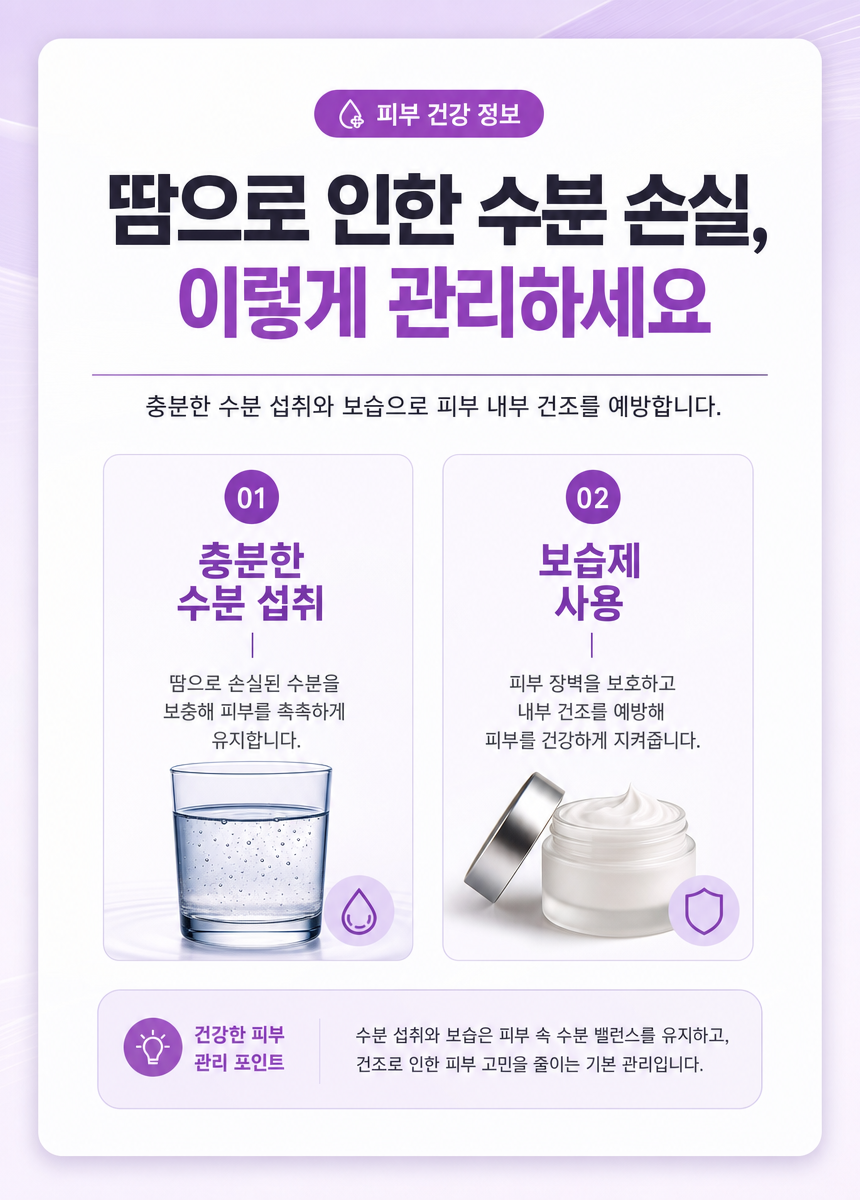
- Replenish moisture lost through sweating by drinking plenty of fluids and using moisturizer.
- After going outdoors, soothe overheated skin with cooling products.
Diagnosis matters as much as device performance
Even with the same device, results vary according to the Medical Team’s diagnosis and settings. Before treatment, it is essential to accurately assess skin thickness, fat distribution, and the degree of sagging, and then adjust the energy level accordingly. It is also a good idea to check whether the clinic carefully monitors your condition after treatment and provides aftercare guidance. Rather than deciding on a device in advance based only on information online, it is safer to rely on the judgment of a Medical Team that has examined your skin in person.
Care that looks at both the outside and the inside
Skin conditions and aging are only the visible results; their causes may be connected to the body’s internal balance, including hormones and the autonomic nervous system. Mioline Suwon aims to provide care that considers both the outside and inside of the skin, drawing on the clinical experience of a family medicine specialist. The clinic checks skin lesions with MARK-VU imaging, combines devices to suit each person’s skin characteristics, and provides follow-up checks the day after treatment as well as skin recovery care.
Rather than trying to decide on your own which lifting treatment is right for you, we recommend first consulting with a Medical Team that takes an integrated approach.
Chat with us now [blocked]
💬 Get a consultation [blocked]
Reviewed by: Dr. Kwon Yu-ri · Family Medicine Specialist, Academic Director of the Korean Melasma Society First published 2026-06-02 · Last reviewed 2026-07-03
This article is intended to provide general medical information. Treatment methods and results may vary depending on each individual’s condition. Please be sure to consult with a Medical Team to determine the appropriate diagnosis and treatment.