
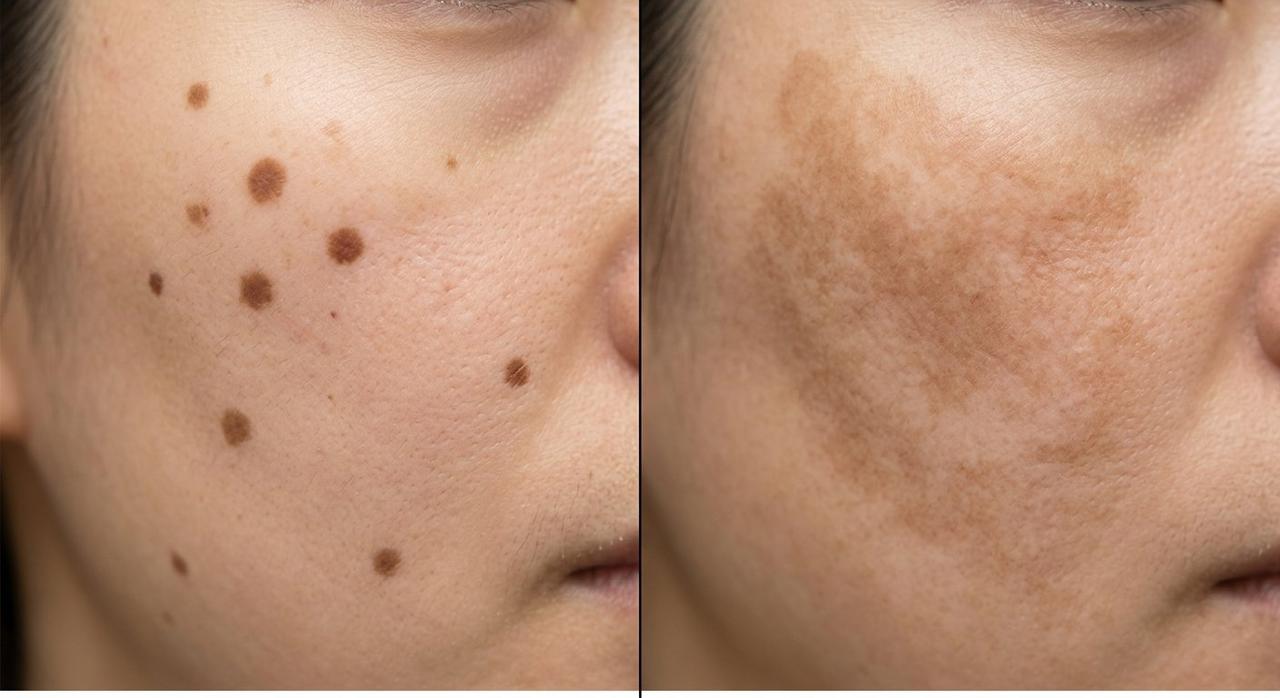
The Spot You Called Melasma May Be Lentigo
If dark marks have appeared on what was once clear skin, and you find yourself covering them with makeup more often, it may be time to first identify what those marks are.
Lentigines and Melasma Are Different Conditions
Many people refer to all brown spots on the face as melasma, but the two conditions have different causes and appearances, so they require different approaches.
Lentigines are also considered an early stage of age spots. Using a strong Laser without distinguishing between the two conditions can actually darken the pigmentation or damage surrounding tissue, so diagnosis should come first. You can learn more about pigmentation concerns in general at Understanding concerns about melasma and lentigines.
Settings, Not Equipment, Determine the Results
It is easy to expect the latest equipment to guarantee results. Good equipment is important, but what matters even more is deciding which wavelength and energy to use for your skin at this time.
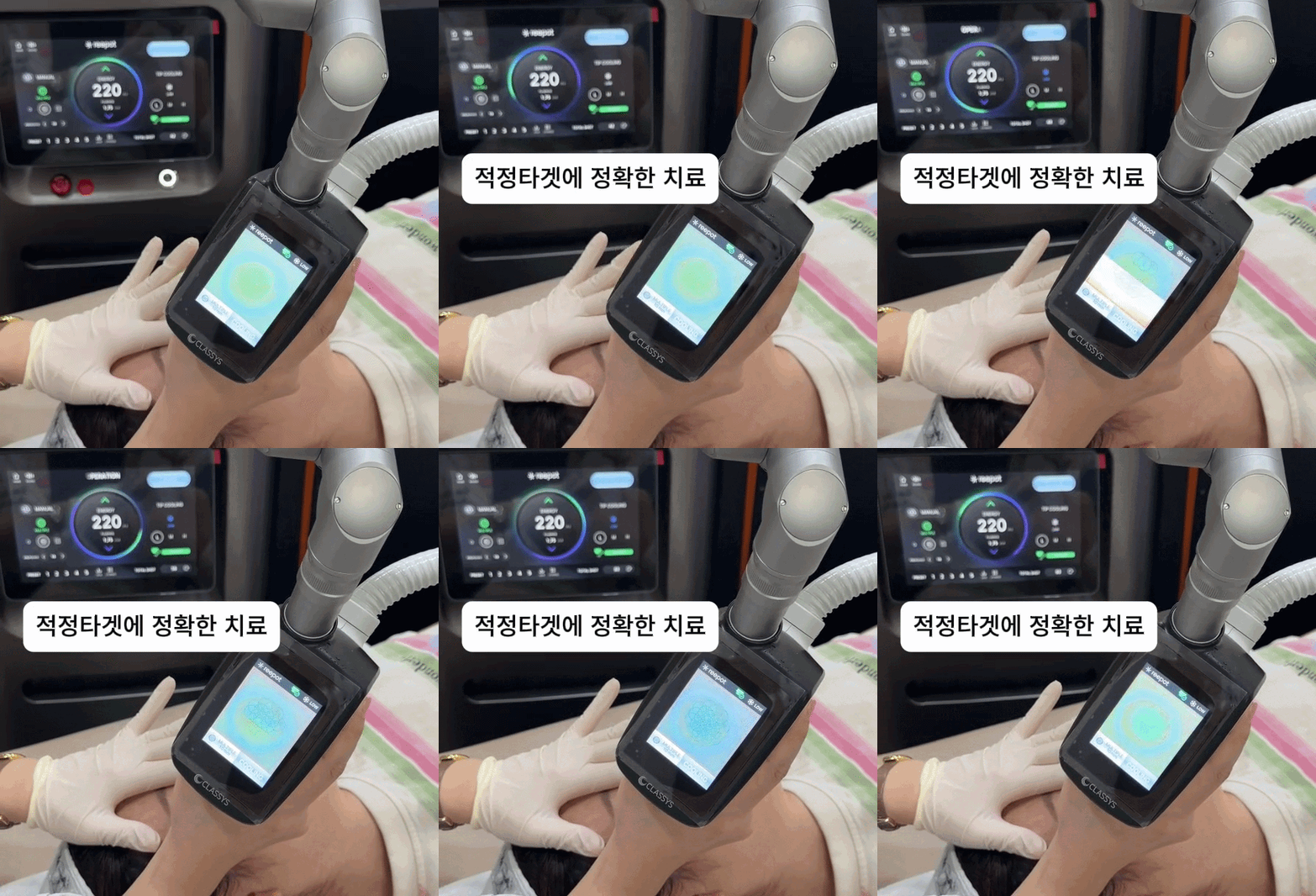
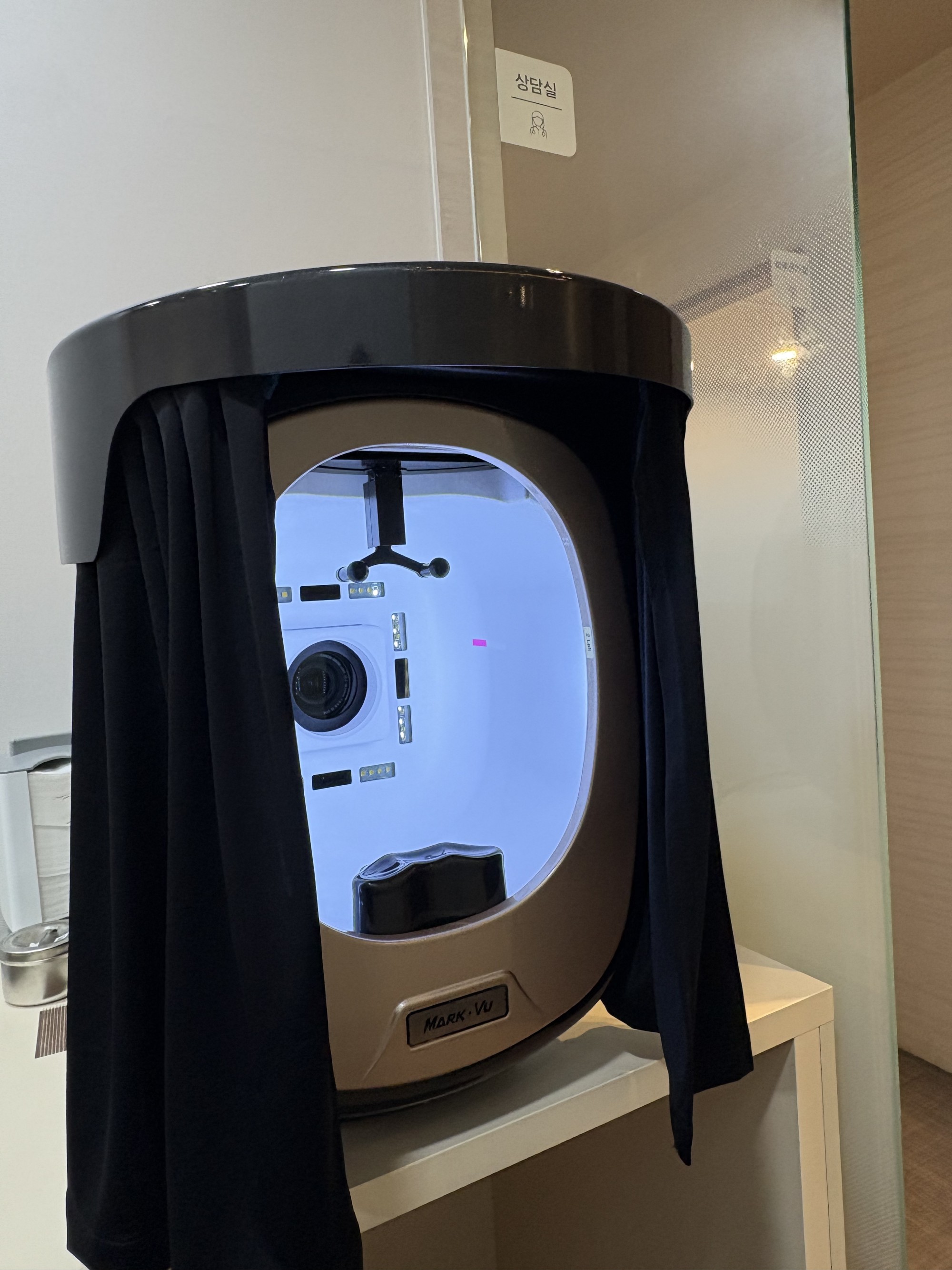
That is why we do not insist on Laser Only. We select a combination of equipment after considering your skin type, the depth and shape of the pigmentation, and how it relates to the surrounding skin. If previous treatment left you wanting more, we may consider Re-POT Laser. If pigmentation at different depths is present, we may consider an approach that uses different wavelengths, such as StarWalker.
When One Session Is Enough—and When It Is Not
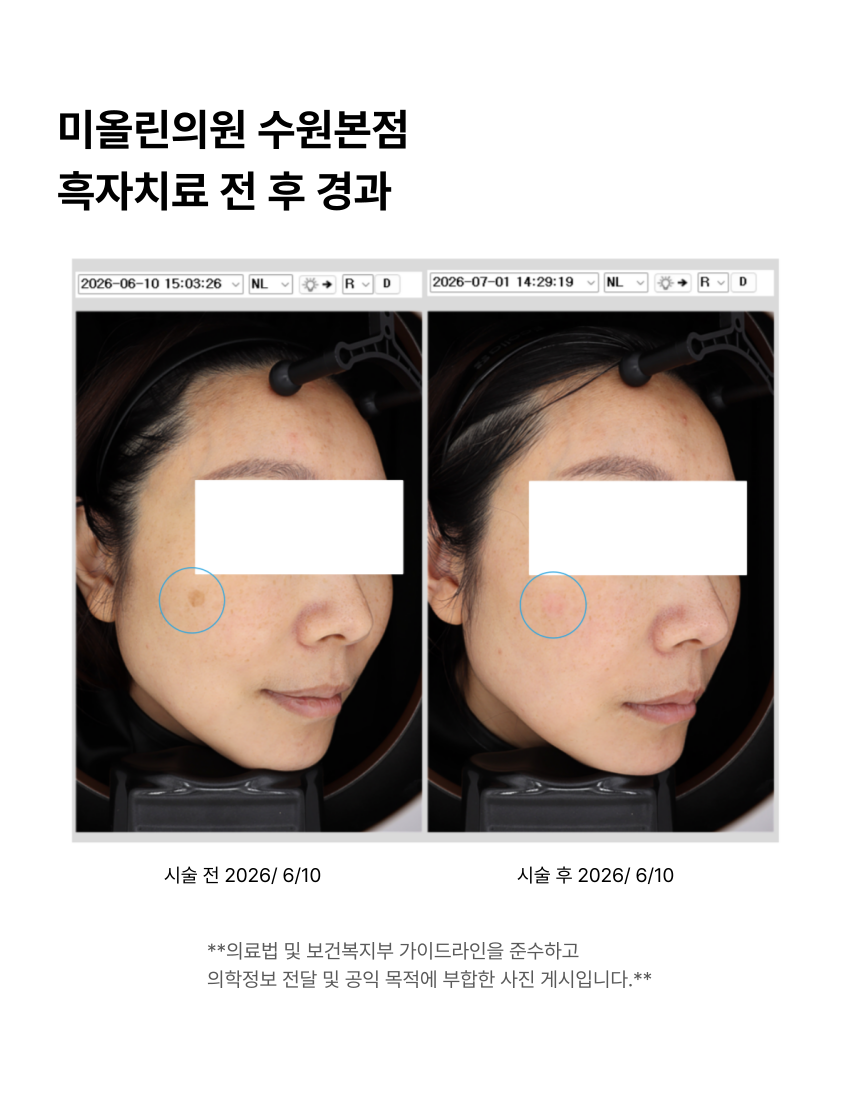
A small lentigo located superficially in the epidermis may improve sufficiently with a single session. In contrast, if the pigmentation is deep or multiple spots overlap, two or three sessions or more may be needed. Rather than deciding the number of sessions in advance, it is safer to see how your skin responds after the first session and then decide on the next step.
Skin Care After Treatment Is Half the Process
A fine scab forms over the treated area. Letting it fall off naturally without picking at it is the best way to avoid leaving a mark. The skin underneath is newly formed and particularly vulnerable to UV exposure, so from that point on, apply sunscreen carefully and keep the skin moisturized to prevent dryness. Avoid rubbing the treated area hard, too.
What to Consider When Choosing Where to Go
There are two things to look for. One is whether the clinic has a systematic approach to aftercare. Pigmentation Treatments are a process that continues beyond the moment the Laser is applied, until the scab falls off and new skin settles in. The other is whether the clinic creates a plan based on your skin’s characteristics and lifestyle habits, rather than applying the same treatment to everyone.
If the Spots Return, Does That Mean the Treatment Failed?
In most cases, new pigmentation has formed rather than the treated spot returning. Lentigines are caused by accumulated UV exposure, so they can reappear if the same conditions persist. That is why sun-protection habits after treatment play an important role in preserving the results over time.
Finally
Pigmentation treatment begins with identifying what needs to be removed. If you are unsure whether your mark is a lentigo or melasma, we recommend starting by finding that out together.
💬 Get a consultation [blocked]
Reviewed by: Dr. Kwon Yu-ri, Medical Director · Board-certified in Family Medicine, Academic Director of the Korean Melasma Society First published 2026-07-29 · Last reviewed 2026-08-31
This content is intended to provide medical information. Effects and side effects may vary from person to person. Please consult with the Medical Team to determine an accurate diagnosis and whether Treatments are appropriate.