
This post is a medical advertisement written by the clinic for the purpose of providing medical information. It complies with Article 56, Paragraph 1 of the Medical Act.
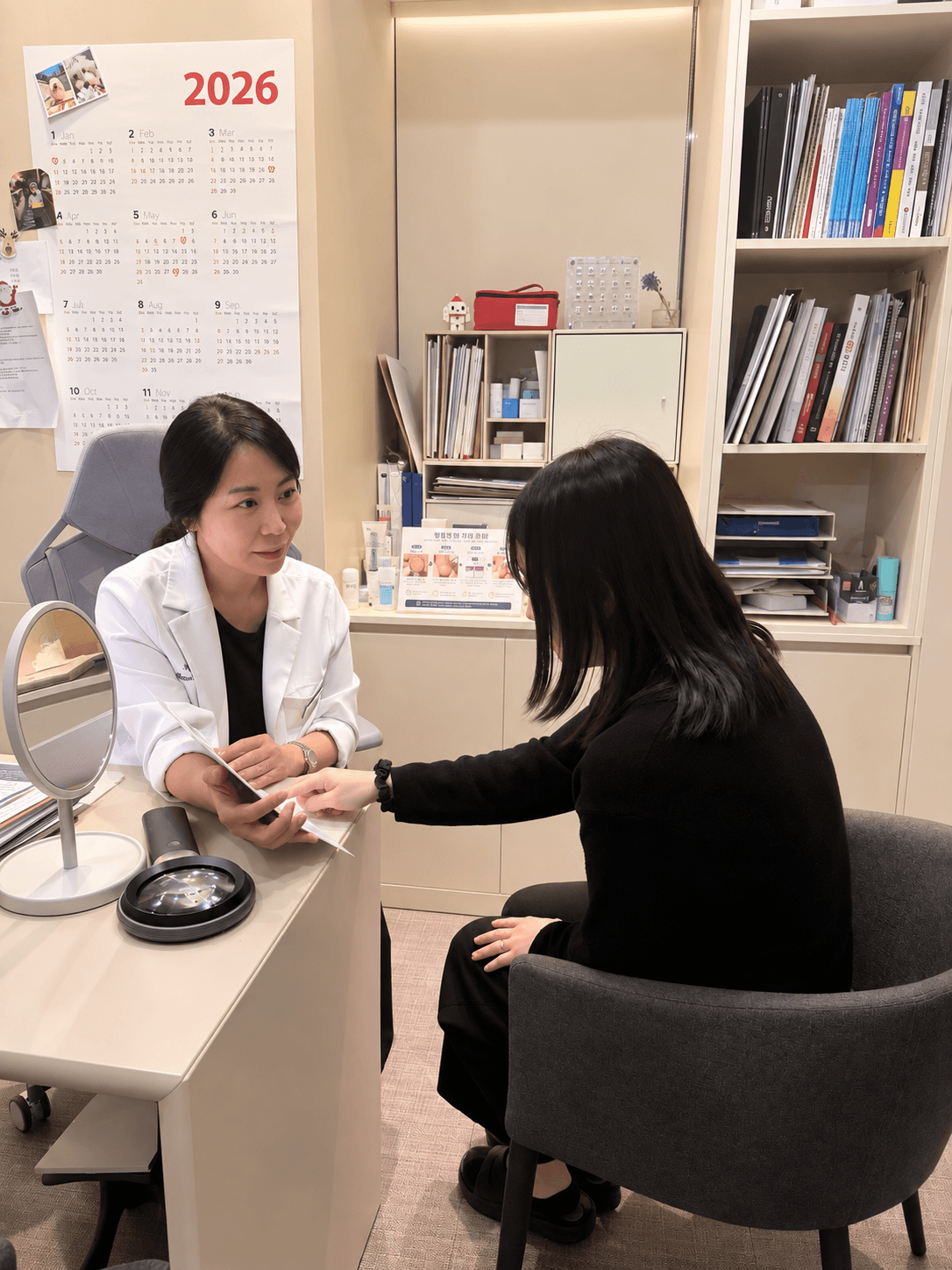
Many people who come for melasma consultations are already deliberating between pico laser and laser toning. Both devices treat pigmentation, but the time and method of delivering energy to the pigment differ, and this difference becomes the starting point for a melasma treatment plan.
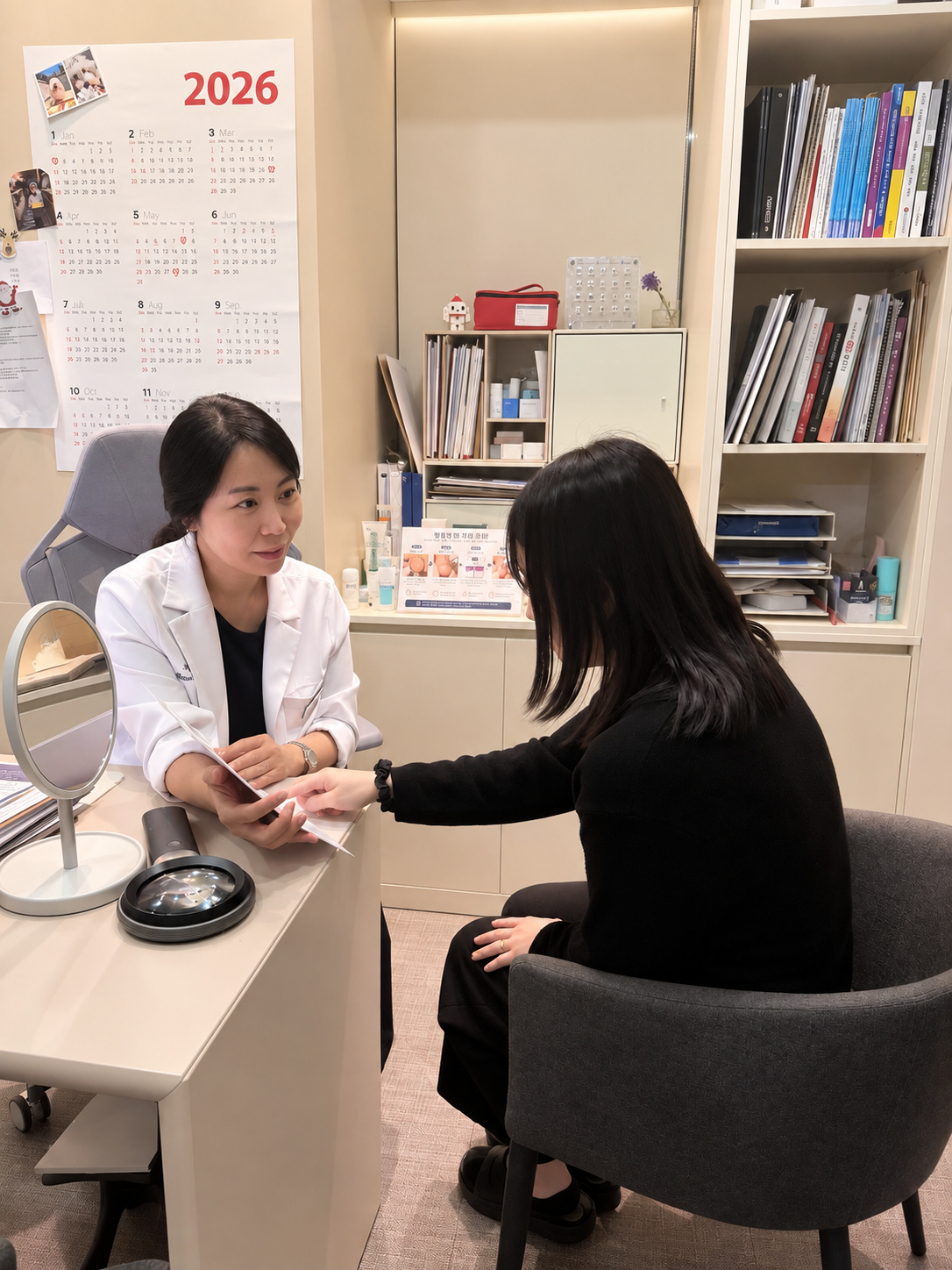
As inquiries about pico laser in Suwon increase, we often hear the question, "Toning is an older model, and pico is newer, so isn't pico naturally better?" To answer directly, the choice criterion is not the generation of the equipment, but the type and depth of the pigment currently on the skin.
Laser Toning Uses Nanoseconds, Pico Laser Uses Picoseconds
Laser toning delivers energy to melanin with nanosecond-unit pulses. Instead of strong, single bursts, it uses a gradual approach, delivering low power over multiple sessions to slowly lighten the pigment. This method has been widely used for melasma treatment for a long time.
At Mioline, laser toning is performed with two devices, Fotona and Revlite, depending on the nature of the pigment and the skin's reaction. Fotona allows for intensity adjustment by changing wavelengths and modes, making it suitable for sensitive skin. Revlite, a 1064nm Q-switched Nd:YAG laser, is used to progressively treat melasma and hyperpigmentation.
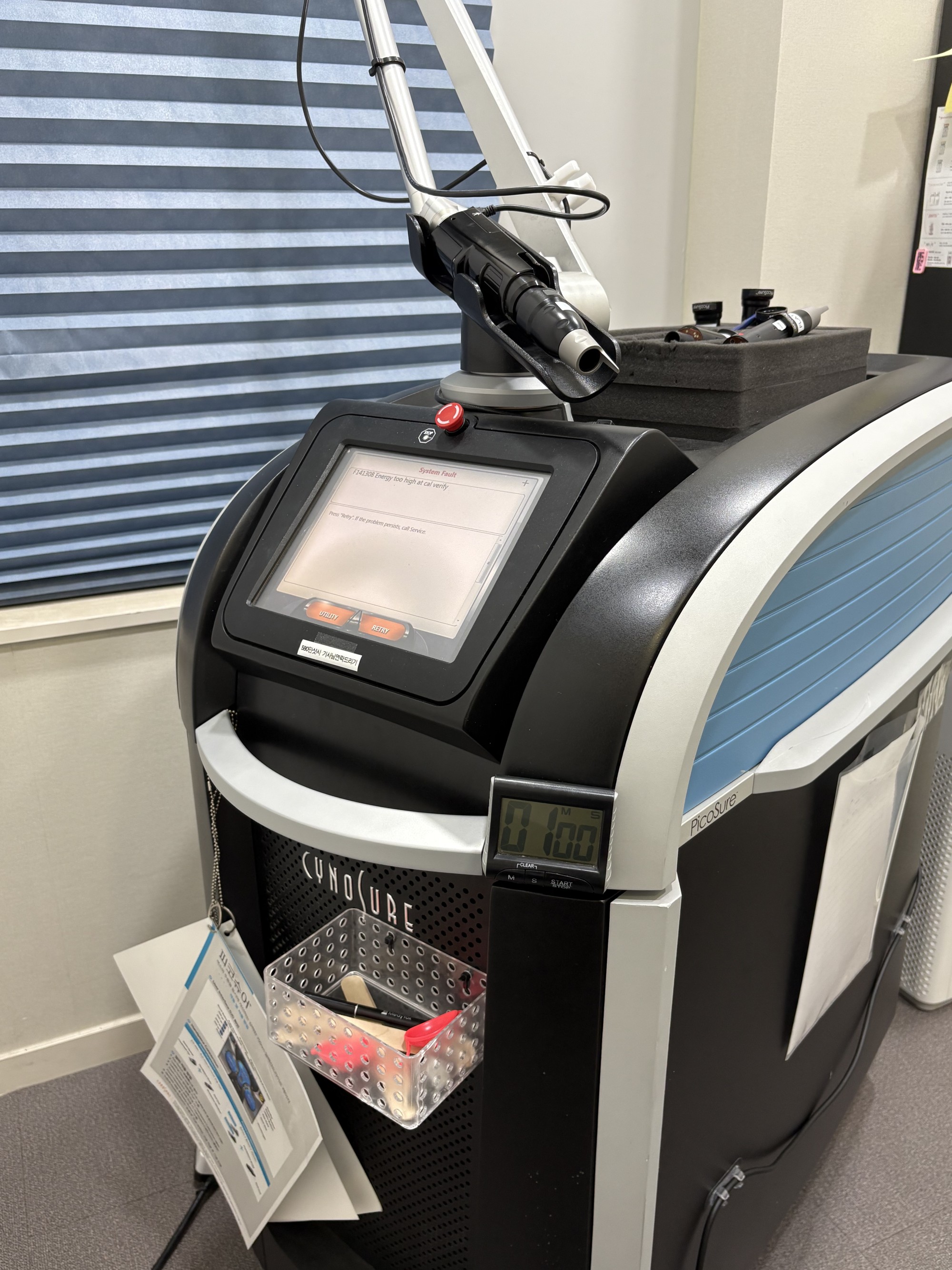
Pico laser delivers energy in picosecond units, which is a much shorter duration than nanoseconds. The shorter the pulse, the greater the photoacoustic effect rather than heat, which works to break down pigment particles into smaller pieces, thereby reducing heat spread to surrounding tissues.
So, Is Pico Laser Always the Right Answer?
It's not that simple. Melasma varies from person to person in terms of the depth and spread of the pigment, skin sensitivity, and how it has responded to previous treatments. Instead of choosing the latest equipment first, I assess the current skin condition and then decide between pico laser, Fotona, or Revlite, adjusting the plan as we observe the progress.
Melasma is a sensitive pigment disorder that often recurs and can worsen with minor irritation. Therefore, the principle of melasma treatment is to minimize unnecessary irritation and selectively treat only melanin.
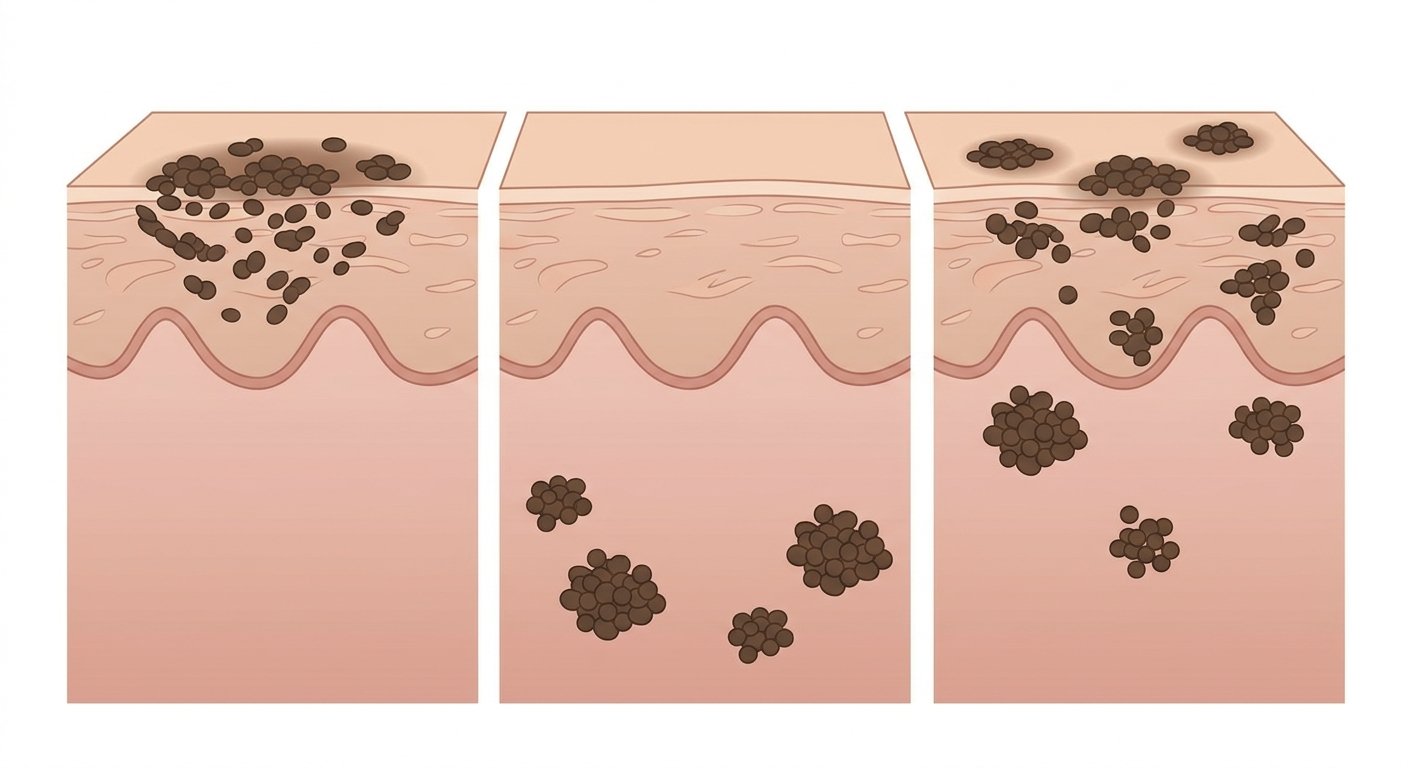
From this perspective, pico laser, with its reduced thermal burden, can be a good option. Less thermal damage to the surrounding skin can help lower the possibility of post-inflammatory hyperpigmentation (PIH) after the procedure.
However, pico laser is not used for all types of melasma. Depending on whether it is epidermal, dermal, or mixed type, and the skin type and barrier condition, laser toning may be more suitable in some cases. In other cases, alternating between the two methods or adding other treatments may be necessary to expect results.
Three Things to Consider Before Equipment
I start melasma treatment by understanding the skin's condition rather than deciding which equipment to use. The criteria we check when planning at Mioline Suwon are the following three:
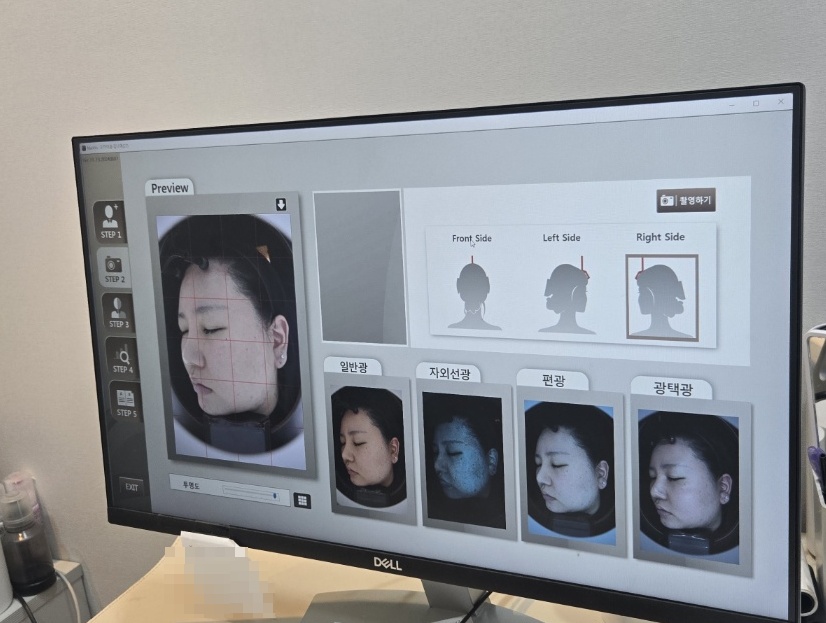
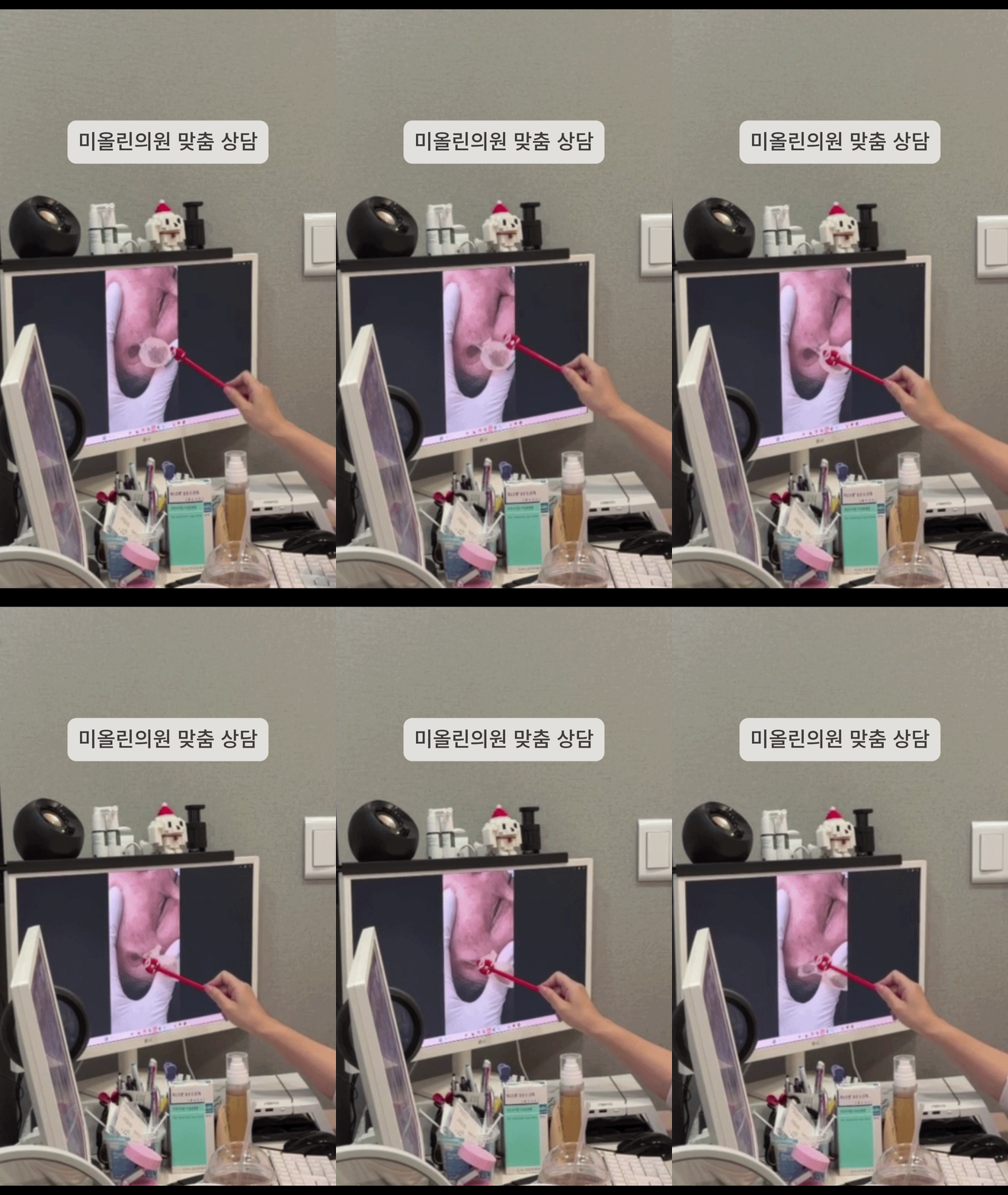
First, diagnosis comes first. It is difficult to distinguish with the naked eye whether it is melasma or lentigo, or if multiple pigment disorders are overlapping. A customized plan is possible only after confirming the type, depth, and distribution of pigment with a skin diagnostic device.
Second, we look at the depth and activity of the lesion. Even for the same melasma, the energy, wavelength, and irradiation method must be adjusted differently depending on whether it is shallow in the epidermis or deep in the dermis.
Third, we consider the overall health of the skin. Melasma can worsen more easily in skin with a compromised and sensitive barrier. To fully achieve a laser response and reduce the possibility of recurrence, it is necessary to combine treatment that restores the barrier, not just removes pigment.
How We Determine the Number of Sessions and Intervals
Neither pico laser nor laser toning is a one-time treatment. Generally, 5-10 sessions at 1-2 week intervals are often recommended as one cycle. However, this is just an average framework, and the intervals and number of sessions are re-determined based on the diagnosis results, the skin's regeneration cycle, and the reactions observed in each session.

In Summary
The difference between pico laser and laser toning lies in the pulse duration and the principle of treating pigment. Nanosecond toning melts pigment with heat, while picosecond pulses break down pigment into smaller pieces with shockwaves. Thanks to this difference, pico laser may be advantageous in reducing thermal damage.
However, the outcome of melasma treatment in Suwon is not determined by a single device. The process of accurately reading the type and depth of melasma and the skin condition, and then creating a plan accordingly, comes first. Based on that judgment, the necessary option between pico laser and laser toning is chosen. We recommend proceeding with medical staff who can help you establish a long-term plan rather than rushing into intense procedures.
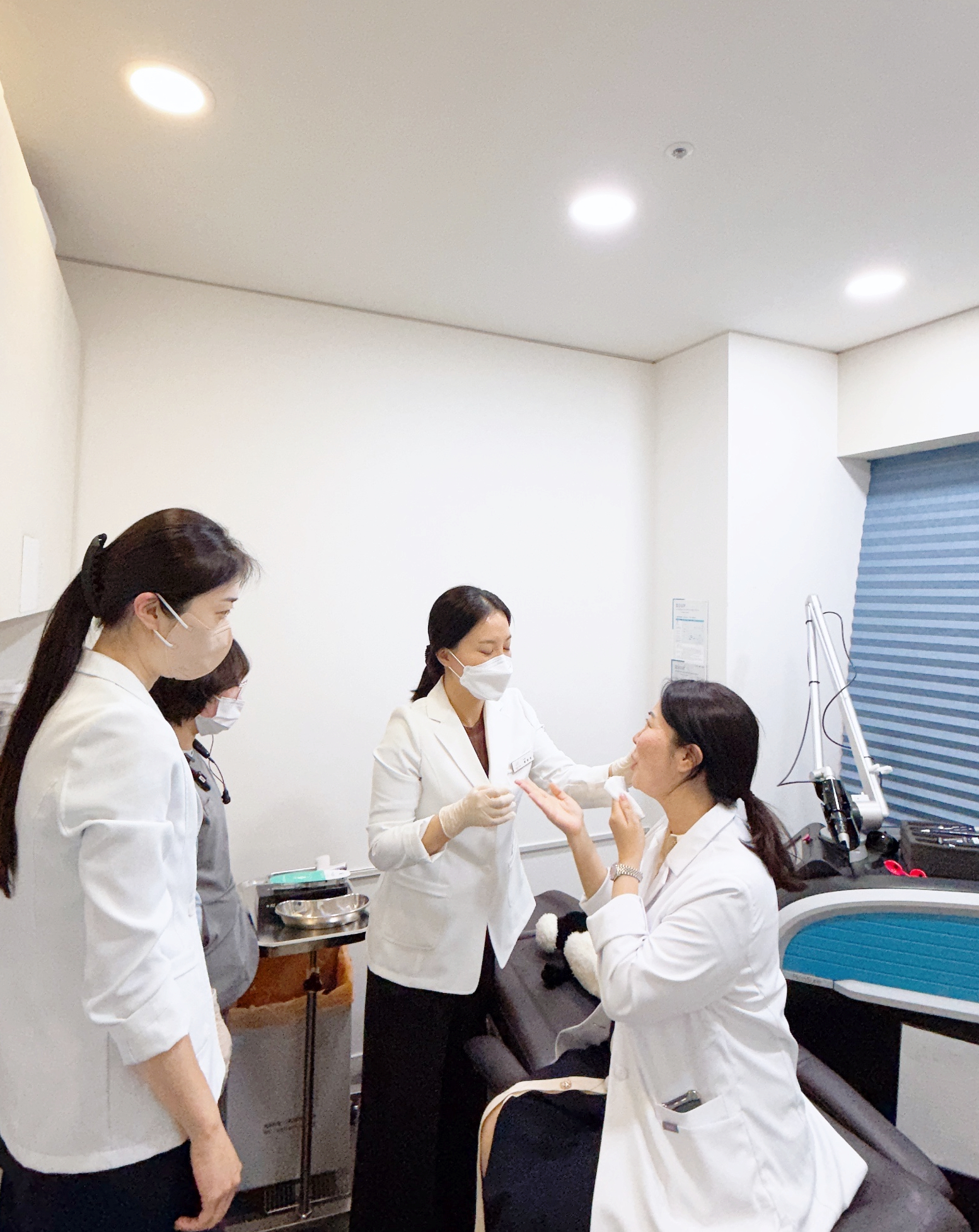
Reviewed by: Dr. Kwon Yu-ri · Family Medicine Specialist, Academic Director of the Korean Society for Melasma | First published 2026-09-11 · Last reviewed 2026-09-14
This content is for informational purposes only, and effects and side effects may vary by individual. Please consult with medical staff to determine an accurate diagnosis and whether to proceed with treatment. This post is a medical advertisement in accordance with Article 56 of the 「Medical Act」.