

Male Acne Scar Treatment in Suwon, Including Treatment Duration and Recurrence Management
This post is a medical advertisement prepared by this clinic for the purpose of providing medical information. It complies with Article 56, Paragraph 1 of the Medical Service Act.
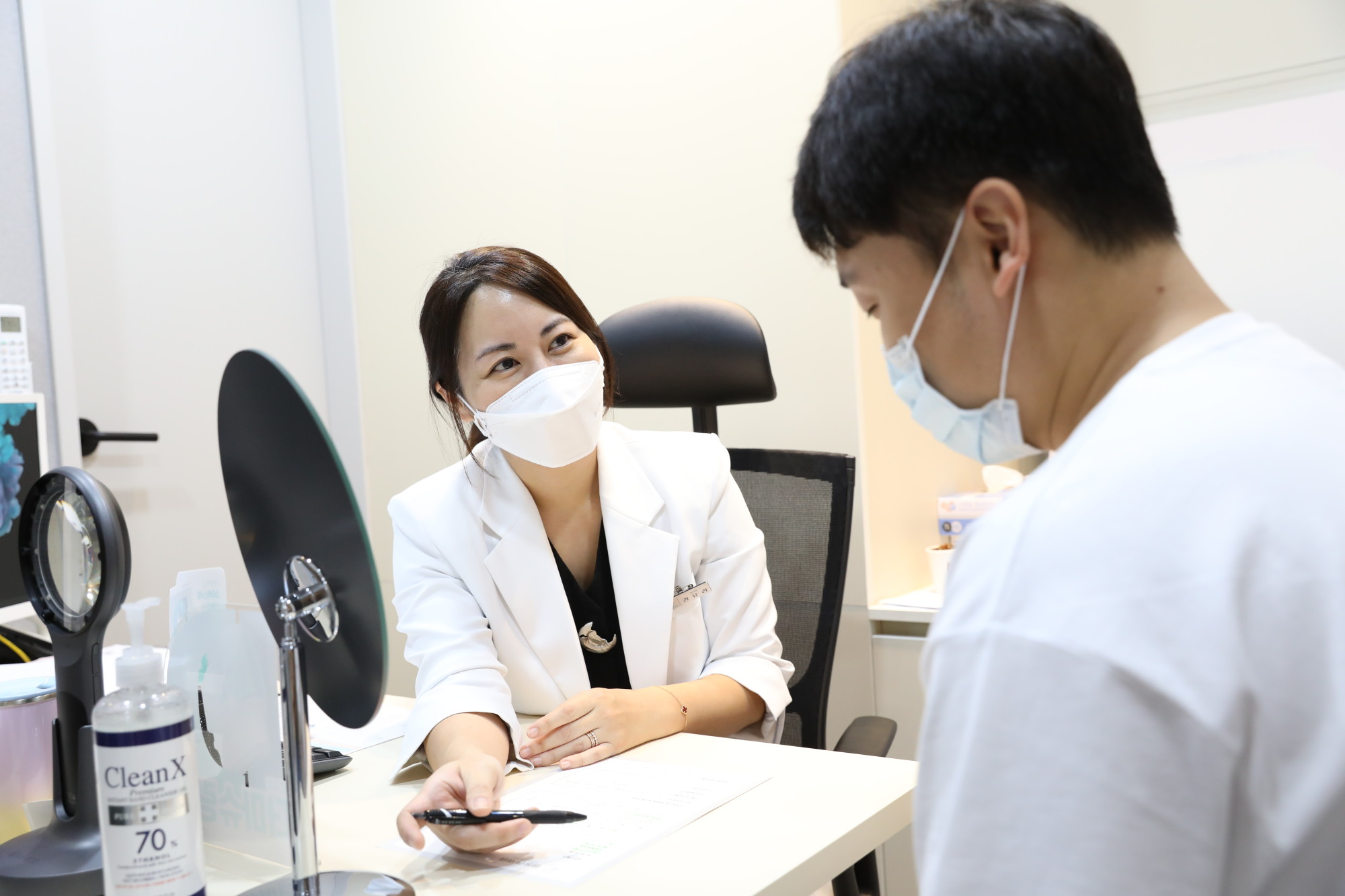
When speaking with men who visit the clinic for acne, I often find that one of their first questions is how much treatment costs. However, male acne is not a problem that ends once a single breakout is cleared. It requires a step-by-step approach: identifying the causes of recurring acne and managing current breakouts, then deciding how to treat acne scars that have already formed. If you are looking into acne treatment in Suwon, I recommend checking the following three things before considering the cost.
I will explain in turn why male acne recurs, how treatment methods differ depending on the type, how long treatment may take and how to manage recurrence, and how to approach acne scars that are already indented.
Male acne is not just a sebum problem
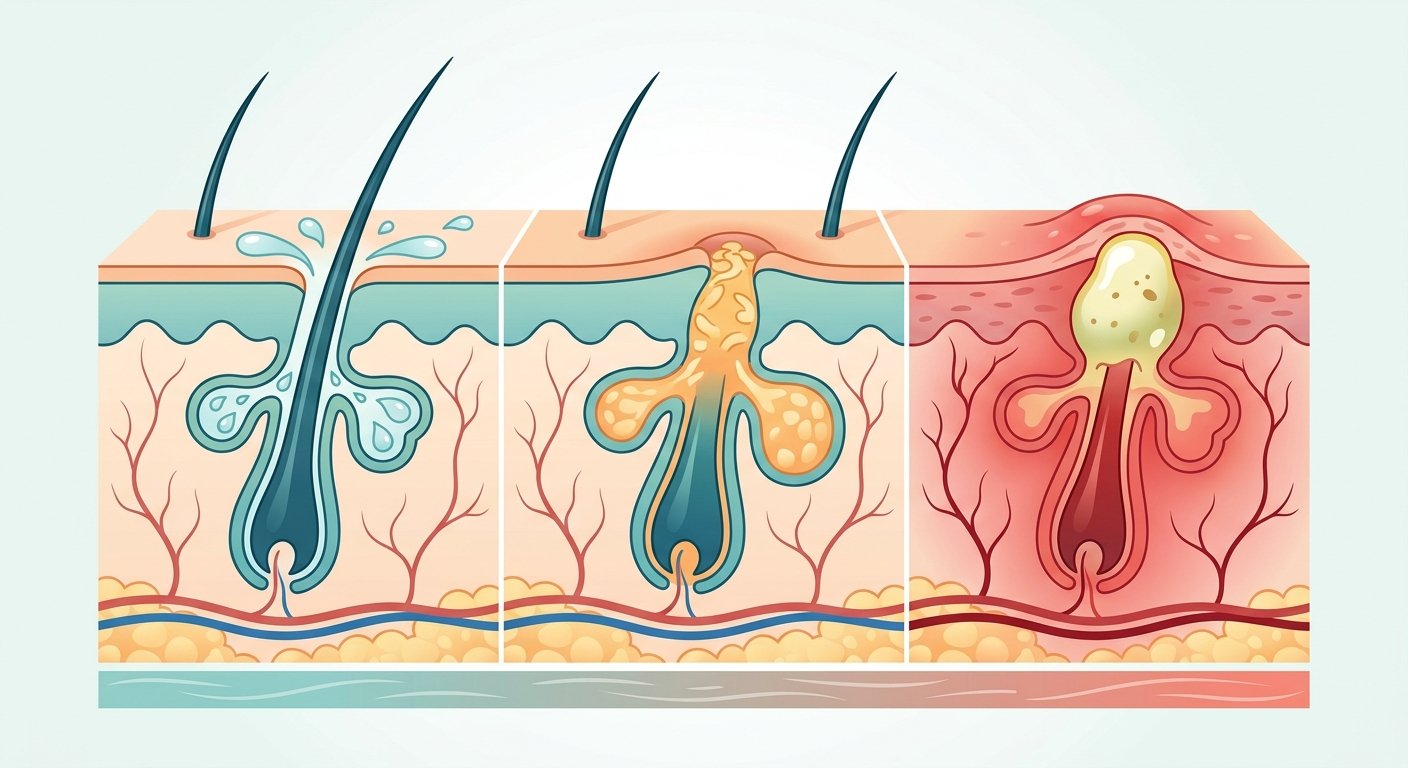
Many people see excessive sebum production as the sole cause of male acne. This is not incorrect, but not everyone who produces a lot of sebum struggles with acne. Recurrent acne is more accurately understood as a sign that the balance of the skin environment has been disrupted.
When the openings of the pores become abnormally keratinized, sebum cannot flow out properly and blocks the pores. When the skin barrier is damaged, the skin becomes vulnerable to external irritation, making inflammation more likely. Acne bacteria (P. acnes) multiply inside clogged pores and cause inflammation. Hormonal imbalances, stress, lack of sleep, and lifestyle habits such as diet also play a role.
When causes overlap in this way, suppressing sebum alone or squeezing only the visible acne is much like pouring water into a leaky vessel. The key to treating male acne is a multifaceted approach that also considers each person’s skin environment and lifestyle habits.
Treatment methods differ depending on the type of acne
When we examine the skin, everyone’s condition is different, much like a fingerprint. Some have predominantly small, closed comedones; others have many red, painful inflammatory breakouts; and some have a mix of both. That is why applying the same treatment to everyone can make it difficult to achieve the changes they expect.
Small, closed comedones, or comedonal acne, occur when sebum cannot drain and becomes trapped. Scaling, extractions, and peels that open clogged pores and help sebum flow out may be beneficial.
Inflammatory acne in the form of papules or pustules is red, pus-filled, and painful. Since inflammation is already present, treatment to calm the inflammation, such as PDT or anti-inflammatory injections, should be combined with Skin Care to strengthen the skin barrier.
Pustular acne in the form of nodules or cysts is deeply rooted in the skin and has the highest likelihood of leaving scars. Forceful extractions should be avoided, and it is important to create a treatment plan that reduces inflammation while minimizing scarring.
Consider the treatment period in line with the skin cycle

How many treatments will it take for my skin to clear up?
This is the question I hear most often, and also the most difficult one to answer. The skin’s renewal cycle is usually 28 days, and acne treatment is a process of restoring the damaged skin environment to normal in line with this cycle.
That is why it is not something that can be completed in just one or two treatments. Consistent treatment and Skin Care for at least 3 months, and sometimes 6 months or longer depending on the skin’s condition, may be needed. Rather than focusing only on changes over a short period, it is better to think of this as a process of restoring your skin’s healthy cycle and to move forward over time with a Medical Team that will monitor your skin over the long term. Choosing a clinic in Suwon that is close enough for you to visit over an extended period can also help you stay on track with your treatment.
For acne scars that are already indented, first assess their depth
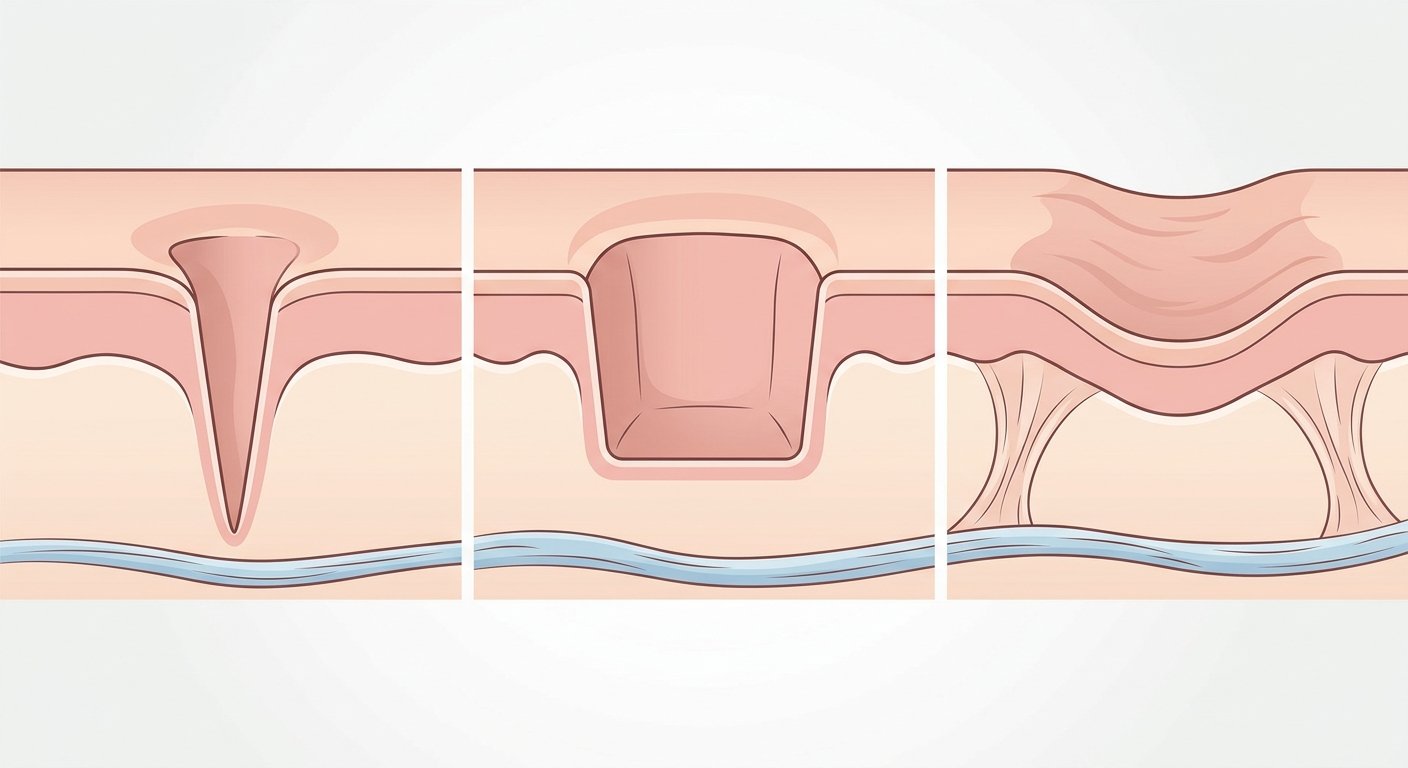
There is something I often hear from people who come in for acne scars: they have continued receiving Laser treatments, but the scars are still there. In these cases, I do not start by saying which device is better. Older, deeply indented acne scars may require us to look not only at the skin’s surface but also at adhesions in the tissue beneath the scars.
In such cases, one treatment option to consider is Juvgen.

Rather than simply filling in the indented area, JUVGEN addresses the fibrous tissue adhered beneath the scar, then uses CO2 gas and PCL components, among other things, to encourage skin regeneration and collagen formation. However, the same treatment is not necessary for every acne scar. I first assess the depth of the scar, the degree of adhesion, and the condition of the skin, then determine which treatment is appropriate, including JUVGEN.
Ultimately, before asking which treatment is most effective, it is necessary to first understand why your scar is indented.
Frequently asked questions
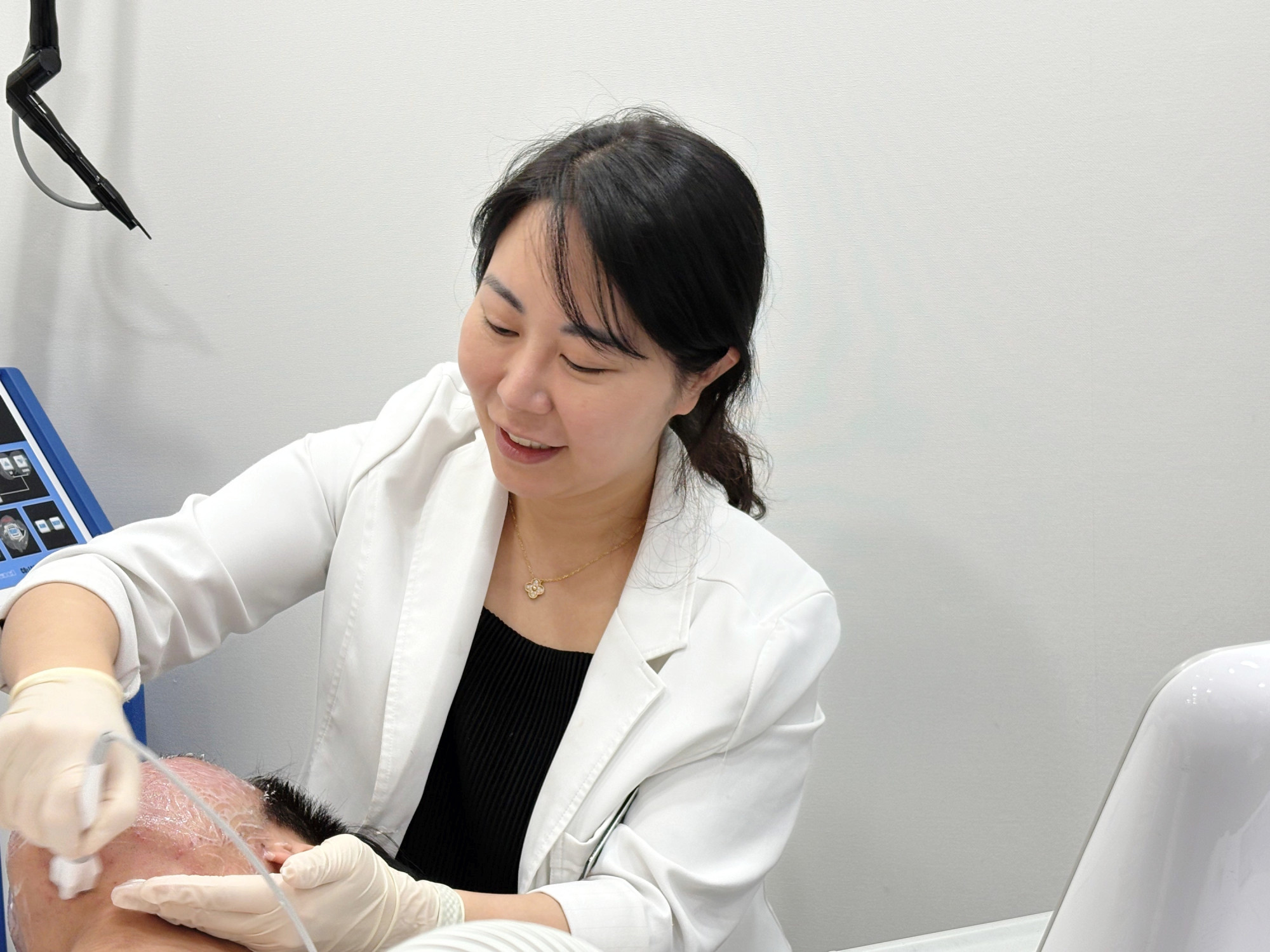
Improvement may be possible even for old, deep acne scars. However, if scars are deeply indented or adhered, treatment needs to be tailored to their depth and degree of adhesion rather than addressing only the skin’s surface.
It is difficult to determine the number of treatments in advance. The number varies depending on the depth and extent of the scars, the skin’s regenerative condition, and the treatment method selected, so it is best to make a plan after assessing the current condition of the scars.
Forcefully squeezing acne with your hands or a cotton swab may damage the surrounding skin tissue and leave indented scars or hyperpigmentation. We especially recommend that you do not squeeze acne that is severely inflamed.
Makeup may be possible during treatment depending on your skin’s condition, but it is best to minimize irritation when the skin is sensitive, such as immediately after a treatment. If you need to wear makeup, use non-comedogenic products and cleanse gently.
Because acne is affected by various factors, including sebum production, hormonal changes, and lifestyle habits, it may recur even after treatment. To reduce recurrence, it is important to continue Skin Care suited to your skin’s condition even after treatment ends.
In summary
The fact that acne has calmed down does not mean that treatment is completely over. If scars have already formed, it is important to first assess their current depth and the condition of your skin rather than repeatedly undergoing one treatment without a plan. If you are considering treatment for male acne and acne scars in Suwon, we recommend asking for an explanation of the treatment period and recurrence management plan during your consultation as well.
Request a consultation [blocked]
Reviewed by: Dr. Kwon Yu-ri · Board-certified family medicine specialist, Academic Director of the Korean Melasma Society | Last reviewed September 26, 2026
This content is intended to provide medical information. Effects and side effects may vary from person to person. Please consult with the Medical Team to determine an accurate diagnosis and whether treatment is appropriate. This post is identified as a medical advertisement pursuant to Article 56 of the Medical Service Act.